The question of whether decorative gravel attracts insects is one that I, as a supplier of decorative gravel, often encounter from customers. It’s a valid concern, as no one wants their outdoor space to become a haven for unwanted bugs. In this blog post, I’ll delve into the science behind this issue, drawing on my knowledge and experience in the decorative gravel industry. Decorative Gravel
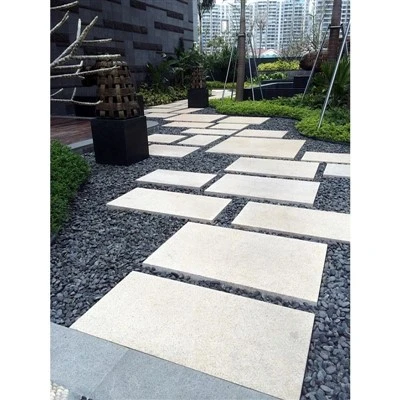
First, let’s understand what decorative gravel is. Decorative gravel comes in various types, sizes, and colors. It is commonly used in landscaping projects such as garden paths, driveways, and flower beds. Popular types of decorative gravel include pea gravel, crushed granite, and river rock. The choice of gravel depends on factors like personal aesthetic preference, the intended use of the area, and local climate conditions.
To address the question of insect attraction, we need to consider the nature of insects and what they are looking for in their environment. Insects, like all living organisms, have basic needs: food, water, and shelter. If decorative gravel can provide any of these, then it might potentially attract insects.
Let’s start with food. Most insects are herbivores, omnivores, or predators. Herbivorous insects feed on plants, omnivores eat both plants and other small organisms, and predators hunt other insects. Decorative gravel itself does not provide a direct food source. It is an inorganic material, typically made of rock or stone, and does not contain nutrients that insects can consume.
However, the presence of decorative gravel in a landscape can indirectly affect the availability of food for insects. For example, if the gravel is used in a flower bed, the plants in the bed can attract herbivorous insects. Aphids, for instance, are attracted to the sap of many common garden plants. If there are aphids in the garden, they may in turn attract predatory insects like ladybugs. So, while the gravel is not attracting insects for its own food – value, it can be part of an environment that supports insect – friendly food sources.
Water is another crucial factor for insects. Insects need water for survival, and they can obtain it from various sources such as dew, rain, and standing water. Decorative gravel, by itself, does not hold water well. It is porous, which means that water drains through it quickly. This is one of the advantages of using decorative gravel in landscaping, as it helps prevent waterlogging in areas like driveways and paths.
In general, the lack of standing water in a well – drained decorative gravel area makes it less appealing to insects that rely on water for breeding or as a regular water source. Mosquitoes, for example, require standing water to lay their eggs. Since decorative gravel does not retain water, it is not an ideal breeding ground for mosquitoes.
Now, let’s consider shelter. Some insects seek shelter in dark, cool, and damp places. A thick layer of decorative gravel can potentially provide a hiding place for insects during the day or in adverse weather conditions. For example, beetles and spiders might find their way under the gravel. However, the type of gravel and how it is installed can significantly influence this.
If the gravel is large – sized, there may be more space between the rocks for insects to hide. On the other hand, smaller gravel, like pea gravel, has less space between the particles, making it less suitable as a hiding place for larger insects. Additionally, if the gravel is laid on a well – compacted base, there will be fewer gaps for insects to crawl into.
Another aspect to consider is the location of the decorative gravel. If the gravel is placed near a source of organic matter, such as a compost heap or a woodpile, it may be more likely to attract insects. Organic matter decomposes over time and can provide a food source for many insects. For example, termites are attracted to wood, and if there is a woodpile close to a decorative gravel area, termites might spread to the surrounding landscape.
In addition to the natural factors, the use of pesticides and fertilizers in the area where the decorative gravel is installed can also affect insect populations. Pesticides are designed to kill insects, and if they are applied regularly, the insect population in the area will be reduced. However, over – use of pesticides can have negative environmental impacts, such as harming beneficial insects and polluting the soil and water.
Fertilizers can encourage the growth of plants, which in turn can attract insects. If the plants in a flower bed with decorative gravel are over – fertilized, it may lead to lush growth that is more attractive to herbivorous insects.
Based on my experience as a decorative gravel supplier, I’ve found that in most cases, decorative gravel does not significantly attract insects on its own. However, it is part of a larger landscape ecosystem, and the overall insect population is influenced by many factors.
If you’re concerned about insects in your outdoor space with decorative gravel, there are several steps you can take. First, choose the right type of gravel for your needs. Smaller – sized gravel may be less likely to provide hiding places for insects. Second, ensure proper installation. A well – compacted base and a uniform layer of gravel can reduce the number of gaps where insects can hide. Third, maintain the surrounding area. Keep organic matter away from the gravel area, and be careful with the use of pesticides and fertilizers.
In conclusion, while decorative gravel itself does not have inherent properties that attract insects, the landscape in which it is used can either encourage or discourage insect populations. As a decorative gravel supplier, I always strive to provide my customers with high – quality products and the best knowledge to make informed decisions about their landscaping projects.

If you’re in the process of planning a landscaping project and are considering using decorative gravel, I’d be more than happy to discuss your needs. Whether you’re concerned about insect attraction or any other aspect of decorative gravel installation, I can offer expert advice and the right type of gravel for your specific situation. Feel free to reach out to me to start a conversation about your procurement and discuss how we can make your outdoor space beautiful and functional.
Japanese Stepping Stones References
- "Landscaping with Gravel: A Practical Guide" by John Smith, published by Green Thumb Press.
- "Insect Ecology: Concepts and Applications" by Peter Stiling, published by Oxford University Press.
- "The Biology of Insects" by C. M. Williams, published by Academic Press.
Orin International Trade Co., Ltd.
With abundant experience, we are one of the most professional decorative gravel manufacturers and suppliers in China. We warmly welcome you to wholesale custom made decorative gravel from our factory. If you have any enquiry about cooperation, please feel free to email us.
Address: No.3-1, Shangzhongdi Natural Village, Hexian Village, Shuangta Sub-district, Jiangshan City, Quzhou City, Zhejiang Province
E-mail: atlas@orinstone.com
WebSite: https://www.orinstone.com/
