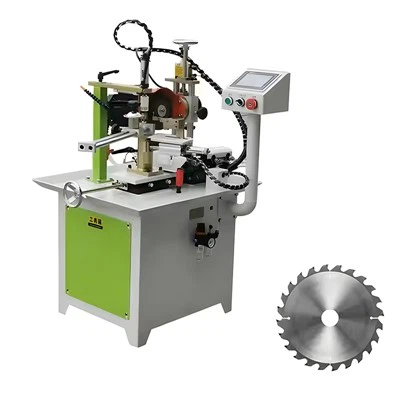
Positioning accuracy is a critical parameter in the performance of a CNC grinding machine. As a supplier of CNC grinding machines, I’ve witnessed firsthand how this factor can make or break a manufacturing operation. CNC Grinding Machine
Understanding Positioning Accuracy
Positioning accuracy refers to the ability of a CNC grinding machine to move its axes to a specified position and stay there within a certain tolerance. In simpler terms, it’s how precisely the machine can place the grinding wheel at the right spot on the workpiece. This accuracy is typically measured in micrometers (μm) or thousandths of an inch. For example, a machine with a positioning accuracy of ±5μm means that when the control system commands the axis to move to a specific position, the actual position of the axis will be within 5μm of the commanded position, either in the positive or negative direction.
The importance of positioning accuracy cannot be overstated. In industries such as aerospace, automotive, and medical device manufacturing, components often have extremely tight tolerances. A high – precision engine part, for instance, may require a surface finish and dimensional accuracy within a few micrometers. If the CNC grinding machine lacks the necessary positioning accuracy, the part may not meet the design specifications, leading to performance issues or even product failure.
Factors Affecting Positioning Accuracy
Mechanical Structure
The mechanical structure of the CNC grinding machine plays a fundamental role in determining its positioning accuracy. The machine bed, columns, and slides need to be rigid enough to withstand the cutting forces and vibrations during the grinding process. Any deflection in these components can cause errors in the positioning of the grinding wheel. For example, if the machine bed is not rigid, the weight of the workpiece and the forces generated during grinding can cause it to bend slightly, leading to a deviation in the position of the grinding wheel relative to the workpiece.
The quality of the linear guides and ball screws also has a significant impact on positioning accuracy. Linear guides provide smooth and precise motion for the axes of the machine. High – quality linear guides with low friction and high stiffness can ensure that the axis moves accurately to the commanded position. Ball screws, on the other hand, are responsible for converting the rotational motion of the servo motor into linear motion. Any backlash or wear in the ball screw can result in positioning errors.
Control System
The control system is the brain of the CNC grinding machine, and its performance directly affects the positioning accuracy. A high – end control system can accurately interpret the programmed commands and send the appropriate signals to the servo motors to drive the axes. It also has the ability to compensate for various errors, such as thermal expansion and mechanical backlash.
For example, modern control systems can use feedback devices like linear encoders to continuously monitor the position of the axes. If the measured position deviates from the commanded position, the control system can adjust the input to the servo motors in real – time to correct the error. The sampling rate and processing speed of the control system are also crucial. A faster sampling rate allows for more frequent position updates, and a high – speed processing unit can quickly calculate and implement the necessary corrections.
Environmental Conditions
Environmental factors such as temperature, humidity, and vibration can have a notable impact on the positioning accuracy of a CNC grinding machine. Temperature variations can cause thermal expansion or contraction of the machine components. For example, if the temperature in the workshop rises during the day, the metal parts of the machine may expand, leading to changes in the position of the grinding wheel and the workpiece.
Humidity can also affect the machine’s performance. High humidity levels can cause corrosion of the metal components, which can lead to increased friction and wear in the linear guides and ball screws, ultimately reducing the positioning accuracy. Additionally, vibrations from nearby machinery or even traffic outside the factory can interfere with the stability of the machine, causing small errors in the positioning of the axes.
Measuring Positioning Accuracy
To ensure that our CNC grinding machines meet the required positioning accuracy standards, we use a variety of measuring techniques. One of the most common methods is using laser interferometry. A laser interferometer can measure the displacement of the machine’s axes with extremely high precision. It works by splitting a laser beam into two paths: one that travels along the axis being measured and another that serves as a reference. The interference pattern created when the two beams recombine is used to calculate the displacement of the axis.
Another method is using a ball bar. A ball bar is a precision measuring device that consists of a bar with a ball at each end. One ball is fixed to the machine table, and the other is attached to the spindle or the grinding wheel head. As the machine moves the axis in a circular path, the ball bar measures the variation in the distance between the two balls. Any deviation from the ideal circular path indicates a positioning error in the machine.
Improving Positioning Accuracy
As a supplier, we are constantly working on improving the positioning accuracy of our CNC grinding machines. We invest in research and development to design more rigid mechanical structures. For example, we use high – strength cast iron or welded steel frames for our machine beds, which provide better stability and resistance to deformation.
In terms of the control system, we always keep up with the latest technological advancements. We integrate advanced control algorithms and use high – performance servo motors and drives. These components can provide more accurate and responsive motion control, reducing the positioning errors.
We also provide our customers with guidelines on how to create an optimal working environment for the CNC grinding machines. This includes maintaining a stable temperature and humidity in the workshop and isolating the machine from external vibrations.
The Impact of Positioning Accuracy on Productivity and Cost
High positioning accuracy can significantly improve productivity. When a CNC grinding machine can accurately position the grinding wheel, it can produce parts with fewer rejects. This means less time spent on rework and scrap disposal, allowing the machine to operate more efficiently. For example, in a mass – production environment, a high – precision machine can produce a large number of parts that meet the quality standards in a shorter period.
In addition, high positioning accuracy can reduce production costs. Although high – precision CNC grinding machines may have a higher initial cost, the savings in terms of reduced scrap, rework, and improved productivity can quickly offset the investment. Moreover, parts with high precision often command a higher price in the market, increasing the profitability of the manufacturing operation.
Conclusion

In conclusion, positioning accuracy is a crucial characteristic of a CNC grinding machine. It is influenced by multiple factors, including the mechanical structure, control system, and environmental conditions. As a supplier, we are committed to providing our customers with CNC grinding machines that offer the highest level of positioning accuracy. By using advanced manufacturing techniques, high – quality components, and state – of – the – art control systems, we ensure that our machines can meet the most demanding precision requirements.
CNC Grinding Machine If you are in the market for a CNC grinding machine, we invite you to contact us for a detailed discussion. Our team of experts can help you select the right machine for your specific needs and provide you with comprehensive technical support. We look forward to working with you to improve your manufacturing processes and product quality.
References
- Campbell, J. F. (2004). Principles of measurement systems. Elsevier.
- Donmez, H., & Unal, C. (2008). A new approach for the evaluation of positioning accuracy of CNC machine tools. International Journal of Machine Tools and Manufacture, 48(7 – 8), 821 – 831.
- Smith, S. T. (2017). Digital signal processing: A practical guide for engineers and scientists. Elsevier.
Taiyuan Z.T Gear Machinery Equipment Co., Ltd.
We are one of the most professional cnc grinding machine manufacturers and suppliers in China, specialized in providing high quality custom service. We warmly welcome you to buy durable cnc grinding machine made in China here from our factory.
Address: No.7, Area C, Industrial Park, Taiyuan, Shanxi
E-mail: 13191002233@139.com
WebSite: https://www.tzgears.com/
