Yo, what’s up everyone! I’m a supplier of heavyweight shawls, and today I wanna talk about a question I get asked a lot: "Do heavyweight shawls shed?" Heavyweight Shawl
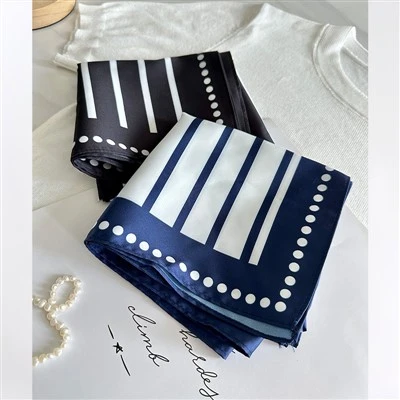
Let’s start with the basics. For those who might not know, heavyweight shawls are these awesome, thick pieces of fabric that you can wear around your shoulders to keep warm, or use as a decorative throw on your couch. They come in all sorts of materials, like wool, cashmere, and alpaca. Each material has its own unique features, which can affect whether the shawl sheds or not.
Why Shawls Shed
First off, we need to understand why shedding happens. Shedding is basically when loose fibers start to fall off the shawl. This can occur due to a bunch of reasons. For one, during the manufacturing process, some short or loose fibers might not get properly incorporated into the fabric structure. When you start using the shawl, these loose fibers can easily come off.
Another factor is friction. When you wear the shawl, it rubs against your clothes, skin, or other surfaces. This friction can cause the fibers to break free and start shedding. And the more you use the shawl, the more friction it’s exposed to, which could potentially lead to more shedding.
Shedding and Different Materials
Wool Shawls
Wool is one of the most common materials for heavyweight shawls. It’s warm, durable, and has a natural texture. But does it shed? Well, it depends. Some types of wool are more prone to shedding than others. For example, wool from younger sheep might have shorter and looser fibers, which are more likely to shed. On the other hand, high – quality merino wool is often less likely to shed because the fibers are longer, finer, and more tightly packed.
When I source wool for my shawls, I always look for wool that has been processed well. This means that the fibers have been combed and spun in a way that reduces the number of loose fibers. I’ve found that shawls made from this kind of wool shed far less than those made from lower – quality wool. But even with high – quality wool, you might still notice a little bit of shedding when you first start using the shawl. This is usually just the loose fibers that were left over from the manufacturing process working their way out.
Cashmere Shawls
Cashmere is like the luxury option when it comes to shawls. It’s super soft, lightweight, and incredibly warm. But cashmere shawls can be a bit tricky when it comes to shedding. Cashmere fibers are very fine, which means they can break more easily. If the shawl is made from lower – grade cashmere or if it’s not constructed well, it can shed quite a bit.
I make sure that the cashmere shawls I supply are made from high – quality cashmere. We’re talking about fibers that are long and strong. Also, the way the shawl is woven or knitted matters a lot. A tight weave or knit holds the fibers together better, reducing the chances of shedding. However, even with the best cashmere shawls, you might see a tiny amount of shedding initially. It’s just how cashmere is, but it shouldn’t be excessive.
Alpaca Shawls
Alpaca shawls are another popular choice. Alpaca fiber is known for being hypoallergenic, warm, and having a natural sheen. In terms of shedding, it’s a bit different from wool and cashmere. Alpaca fibers are hollow, which makes them lightweight but also more flexible.
If an alpaca shawl is not properly processed, the hollow fibers can break and cause shedding. But when I source alpaca for my shawls, I look for fibers that have been carefully sorted and processed. This minimizes the number of weak or broken fibers in the shawl. So, for the alpaca shawls I offer, shedding is usually minimal, especially if you take good care of them.
How to Reduce Shedding
Now that we know a bit about why shawls shed, let’s talk about how to reduce it. There are a few things you can do as a customer, and I also take steps on my end as a supplier.
As a supplier, I make sure to pre – wash the shawls during the manufacturing process. This helps to remove a lot of the loose fibers before the shawls reach the customers. We use special washing techniques that are gentle on the fabric but effective at getting rid of the loose stuff.
For you guys as customers, there are a few simple steps. First, when you get a new shawl, give it a gentle shake outside. This can help to loosen and remove any loose fibers that are just waiting to fall off. You can also use a lint roller to pick up any remaining loose fibers.
Another thing is to be careful with how you store and use the shawl. Avoid rubbing it against rough surfaces, and when you fold it for storage, make sure it’s in a clean, dry place. If you need to wash the shawl, use a mild detergent and follow the care instructions carefully. Hand – washing is usually better than machine – washing because it’s gentler on the fibers.
Does Shedding Mean Poor Quality?
A common misconception is that if a shawl sheds, it must be of poor quality. That’s not always true. As I mentioned earlier, a little bit of shedding is normal, especially when you first start using a shawl. It’s just the loose fibers from the manufacturing process.
However, if the shedding is excessive, like if you’re constantly finding clumps of fibers on your clothes or around the house, then there might be an issue with the quality. It could be that the shawl is made from low – grade materials or that it wasn’t properly processed.
That’s why I take so much care in sourcing the materials and making sure the shawls are well – made. I want my customers to get high – quality shawls that don’t shed excessively.
Conclusion

So, to answer the question "Do heavyweight shawls shed?", the answer is it depends. The type of material, the quality of the fibers, and the manufacturing process all play a role. With the right materials and proper processing, shedding can be minimized.
Twilly Scarf If you’re in the market for a heavyweight shawl and you’re worried about shedding, don’t hesitate to reach out. I’d love to talk to you about our collection of shawls and help you find the perfect one that suits your needs. Whether you’re looking for a warm wool shawl, a luxurious cashmere one, or a soft alpaca shawl, we’ve got you covered. Let’s start a conversation about getting you a shawl that will keep you warm and stylish for years to come!
References
- Textile Science books for general knowledge on fabric composition and shedding.
- Industry reports on shawl manufacturing and quality control.
Deqing Boliya Silk Co., Ltd.
Deqing Boliya Silk Co., Ltd. is one of the most professional heavyweight shawl manufacturers and suppliers in China, featured by quality products and good service. Please rest assured to wholesale the newest heavyweight shawl in stock here and get quotation from our factory. We also accept customized orders.
Address: Baibiao Industrial Zone, Xinshi Town, Deqing County, Zhejiang Province, China
E-mail: boliya@boliyasilk.com
WebSite: https://www.boliyasilk.com/
