Hey there! If you’re into the mechanical world, you know how crucial bushings are. I’m a part of a bushing supplier team, and believe me, the more you understand about replacing bushings, the better off you’ll be. Today, I’m gonna walk you through the whole process of replacing a bushing. Bushing
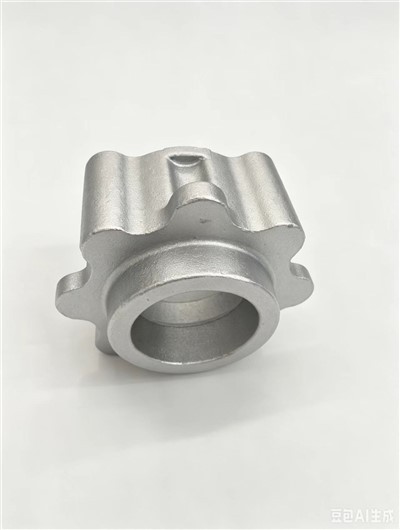
First things first, you gotta know what a bushing is and why it might need replacement. A bushing is a type of bearing that’s used to reduce friction between two parts that are in contact with each other. It can be made from various materials like bronze, nylon, or rubber, depending on the application. Over time, bushings can wear out due to constant use, exposure to heat, or harsh environmental conditions. When they wear out, they can cause all sorts of problems, like increased noise, vibration, and even damage to other parts.
Before you start the replacement process, you need to gather the right tools. You’ll typically need a socket set, wrenches, a press if it’s a press-fit bushing, a hammer (gently used, of course), and a rubber mallet. It’s also a good idea to have some lubricant on hand to make the installation smoother.
Alright, so let’s get to the steps. The first step is to identify the bushing that needs replacing. This might seem obvious, but in some complex machinery, there could be a bunch of bushings, and you gotta make sure you’re targeting the right one. You can do this by inspecting the area where you suspect there’s an issue. Look for signs of wear, like excessive play, noise, or visible damage to the bushing or the surrounding parts.
Once you’ve identified the faulty bushing, you need to remove it. If it’s a simple, non – press – fit bushing, you might be able to use a pair of pliers or a small pry bar to gently pull it out. But for press – fit bushings, it’s a bit more involved. You’ll want to use a press. Place the part with the bushing in the press, making sure it’s properly aligned. Then, apply pressure slowly until the bushing starts to come out. It’s important not to rush this step because if you apply too much force too quickly, you could damage the part that the bushing is installed in.
If you don’t have a press, you can try a hammer and a drift method. Get a drift that’s the right size to fit inside the bushing. Place the drift on one side of the bushing and tap it gently with a hammer. Keep doing this on different sides of the bushing until it starts to move. Once it’s loose enough, you can pull it out either by hand or with pliers.
After you’ve removed the old bushing, take a good look at the housing where the bushing was installed. Clean it thoroughly to get rid of any dirt, debris, or old lubricant. You can use a wire brush or a clean cloth with some solvent to clean it. Make sure there are no scratches or damage to the housing. If there are minor scratches, you might be able to lightly sand them down. But if the housing is severely damaged, you might need to replace it instead.
Now it’s time to install the new bushing. Before you put it in, make sure it’s the right size and type for the application. You can refer to the manufacturer’s specifications to double – check. If the bushing needs to be lubricated before installation, do it now. Apply a thin layer of lubricant to the outside of the bushing and inside the housing.
For press – fit bushings, use the press again. Place the new bushing on top of the housing, making sure it’s properly aligned. Then, slowly apply pressure with the press until the bushing is fully seated. You’ll know it’s fully seated when it reaches the correct depth and there’s no more movement.
If you’re using the hammer and drift method for installation, place the drift on the top of the bushing and gently tap it with a hammer. Keep tapping until the bushing is in the right position. Use a rubber mallet instead of a regular hammer to avoid damaging the bushing.
Once the bushing is installed, give it a final check. Make sure there’s no play or looseness. You can try moving the parts that the bushing connects to see if everything is working smoothly. If there’s still some noise or vibration, double – check the installation to make sure everything is correct.
Now, as I mentioned, I’m part of a bushing supplier. We’ve got a wide range of bushings in different materials, sizes, and designs. Whether you need a simple nylon bushing for a light – duty application or a heavy – duty bronze bushing for industrial machinery, we’ve got you covered. Our bushings are made with high – quality materials and strict manufacturing processes to ensure long – lasting performance.
If you’re in the market for bushings, or if you have any questions about bushing replacement or selection, don’t hesitate to reach out to us. We’re here to help you find the right solutions for your needs. Whether you’re a DIY enthusiast working on a small project or a professional in a large – scale industrial setting, we can provide you with the best – fitting bushings and the support you need.

In conclusion, replacing a bushing isn’t as complicated as it might seem. With the right tools, a bit of knowledge, and some patience, you can do it yourself. And if you need a reliable source for bushings, remember we’re here for you.
Bushing References
Brown, T. (2018). Mechanical Maintenance Handbook. Publisher
Smith, J. (2020). Guide to Bearings and Bushings. Another Publisher
Qingzhou Shengchen Machinery Technology Co., Ltd.
As one of the leading bushing manufacturers and suppliers in China, we warmly welcome you to buy discount bushing for sale here and get free sample from our factory. If you have any enquiry about customized service, please feel free to email us.
Address: Industrial Park, Mihe Town, Qingzhou City, Weifang, Shandong Province
E-mail: gjywb@qzsckj.cn
WebSite: https://www.sc-casting.com/
