Hey there, PP Bottle

If you’ve ever ordered a batch of PP bottles for your small business, a DIY project, or even for storing household stuff, you’ve probably wondered at some point: “Wait, can I actually sterilize these things? I don’t want to ruin them before I even use them.” As someone who’s been in the PP bottle game for over 6 years—supplying everything from 2oz travel-sized sanitizer bottles to 1-gallon storage jugs for food brands—I get that question way more than I expected. A lot of my clients come to me stressed, thinking if they toss a PP bottle in boiling water or blast it in the dishwasher, it’ll warp, leach weird stuff, or just stop working. Spoiler: it’s not that simple. Let’s break this down, no jargon, no fancy lab coats (just me, a pile of tested bottles, and a few years of on-the-ground supplier intel).
First, let’s get one basic fact straight: PP stands for Polypropylene, right? It’s that semi-translucent, slightly rigid plastic that feels sturdier than the thin PET bottles you grab from the grocery store. But not all PP is created equal. Wait, that’s the big secret no one tells you. Most of the PP bottles I supply are made from food-grade PP resin—we source ours from consistent, tested batches that meet FDA and EU food safety standards, so that’s a given for any reputable supplier. But there are different grades of PP: some are low-melt PP (think the flimsy disposable yogurt cups that get soft if you put them in hot water) and high-melt PP (the stuff we use for our squeeze bottles, cosmetic jars, and storage containers that hold up to heat). That grade difference is exactly why sterilization works for some PP bottles and not others. I’ve had new clients test this accidentally: they grab a random low-grade PP bottle from the dollar store, boil it for 10 minutes, and it melts into a weird blob, then they DM me panicking that all PP is garbage. Nope—just not the good stuff.
Now, what even counts as sterilization when we’re talking about bottles? Because sterilizing for a baby formula bottle is way different than sterilizing a bottle for storing pickles or a DIY cleaning solution. Let’s cover the common methods people use, since that’s what you’re actually doing when you reach for your countertop steamer or boiling pot.
First up: boiling water. This is the classic go-to for anyone old school. What temp is boiling water? 212°F (100°C) at sea level. So can high-grade PP handle that? Short answer: yes, for short periods. But wait, don’t leave it in there for 20 minutes straight. I tested this last year for a client who needed sterile bottles for artisanal honey. I grabbed a new, unused 8oz high-grade PP honey jar we supply, tossed it in a pot of boiling water for 5 minutes, pulled it out, and it was totally fine. No warping, no discoloration, didn’t even get a weird smell. But I also tested a low-grade PP squeeze bottle (we don’t supply these, just a sample someone left at the office) and left it in boiling water for 5 minutes—it warped so bad the cap wouldn’t fit anymore, and it had a weird chemical smell when it cooled. That’s the difference. The key here is high-melt PP has a heat deflection temperature (HDT) around 220-250°F (104-121°C), so boiling water is just below that threshold for short stints. Leave it in longer, and you’re pushing that limit.
Next, steam sterilizers—those ones you use for baby bottles, or the countertop ones for kitchen stuff. A lot of my clients with small online shops sell homemade skincare, so they use these all the time. Steam sterilizers work at around 212°F too, right? Same as boiling water, but it’s steam, so it’s a bit more gentle? Wait, no—actually, it’s the same core temperature, but the way it’s applied is different. I’ve had a lot of feedback from clients that they steam PP bottles for 8-10 minutes with no issues. Just make sure the cap is loose a little? Wait, no—actually, leave the cap on but slightly loosened so pressure doesn’t build up, because PP isn’t great for holding pressure (another thing people don’t realize). I had a client last month who sealed the cap tight on a 16oz PP bottle and steamed it—when she pulled it out, the bottle was all bulged out, like a little balloon. She let it sit for an hour, it went back to normal, no permanent damage, just a little scare. Lesson: don’t seal the cap all the way for steam sterilization.
Then there’s dishwasher sterilization. Wait, most dishwashers get up to 170-190°F (77-88°C) on the sanitize cycle. That’s actually lower than boiling, so that’s usually safe for PP bottles, right? But hold on—your dishwasher’s drying cycle might get way hotter. Like, if you have a high-heat dry setting, that can push 200°F. Most of the time that’s fine, but if your dishwasher has a steam dry option, that might go over 212°F, so maybe skip that. I always tell clients to put their PP bottles on the top rack, not the bottom—bottom racks get way hotter, especially near the heating element. I tested this too: ran a dishwasher cycle on high heat with a PP bottle on the bottom rack, pulled it out, and it had a tiny warp at the base. Moved it to the top rack, same cycle, no issues.
Wait, what about other sterilization methods? Like chemical sterilization—using bleach solution, or alcohol wipes? That’s actually the safest method for PP bottles, no matter what grade, as long as you rinse it well. Because chemical sterilization doesn’t involve heat, so it doesn’t risk melting or warping. I’ve had clients who sell hand sanitizer use this all the time: mix 1 tsp of bleach per gallon of water, submerge the bottles for 10 minutes, rinse three times, and they’re good to go. Or even 70% isopropyl alcohol—wipe the inside and outside with a cloth dipped in alcohol, let it air dry, that’s enough for most non-medical uses. That’s perfect if you’re using random PP bottles, or if you’re worried about heat damaging them.
Now, the big question people always ask: does sterilizing PP bottles leach chemicals? That’s the main worry, right? No one wants their homemade jam or baby’s formula to have weird plastic stuff in it. Here’s the thing: PP is generally considered low-leaching, way safer than PVC or some other plastics. But that’s only when you’re using it within its heat limits. I remember a few years ago, a client told me she microwaved a PP bottle (forgot about it in the office fridge, thought it was a mug) and the bottle got soft, and she was convinced it leached chemicals into her coffee. I looked into it—PP starts to break down and leach trace amounts when it gets over its melting point, which is around 300°F (149°C). So boiling water is way below that, steam is below that, dishwasher heat is below that. The only time it leaches is if you overheat it, like microwaving it on high for 10 minutes straight, or leaving it in boiling water for 30 minutes. I’ve seen that happen, and it’s not pretty— the water will have a faint plastic taste, and the bottle will be deformed. But for any normal sterilization method that people actually use (boiling 5 minutes, steaming 8 minutes, dishwasher top rack), you’re totally fine.
Wait, but what about old PP bottles? I get that question too. If you’ve had a PP bottle in your garage for a year, can you sterilize it to use it for something new? Probably, but inspect it first. Check for cracks, scratches, or discoloration. Scratches in PP can trap bacteria even after sterilization, right? Because they’re too small to see, but bacteria can hide in them, so sterilizing won’t get rid of that. I always tell clients to toss any PP bottles that have visible damage before sterilizing or reusing them. It’s not worth the risk.
Let me also share a mistake I see suppliers (and clients) make all the time. A lot of cheap PP bottles sold online are marketed as “safe for all heat” but they’re actually low-grade PP. When we test our PP bottles for heat resistance, we do batch tests every quarter—we send samples to a third-party lab to make sure they can handle 220°F for 10 minutes without warping or leaching. That’s non-negotiable for us, because our clients rely on these bottles for food, skincare, and even medical supplies sometimes. So if you’re buying PP bottles from a random seller on Etsy or Amazon for super cheap, that might not be the case. That’s why I always emphasize buying from a reputable supplier—someone who can tell you the grade of PP they use, and has test data to back it up.
Wait, let’s wrap this up with a quick, no-foolproof guide, because no one wants to read a whole bunch of science and then still have to Google it. If you’ve got a high-grade PP bottle (which is what most reliable suppliers sell), here’s what works for sterilization:
- Boil for 3-5 minutes, top rack only, don’t leave in longer than 10.
- Steam for 8-10 minutes, loosen the cap so pressure doesn’t build.
- Dishwasher: top rack, regular or sanitize cycle, skip steam dry.
- Chemical sterilization (bleach or alcohol) works every time, no heat risk.
- Avoid microwaving PP bottles (unless they’re specifically labeled microwave-safe, which most PP bottles aren’t—wait, actually some are, but that’s a different use case, not sterilization).
- Toss any bottles with cracks, scratches, or weird discoloration before sterilizing.
And for my fellow small business owners or hobbyists: if you’re still unsure, just reach out. I’ve helped so many clients pick the right PP bottles for their needs, even if they don’t end up buying from me. Because at the end of the day, no one wants to sell a product that’s unsafe because of a bad bottle.
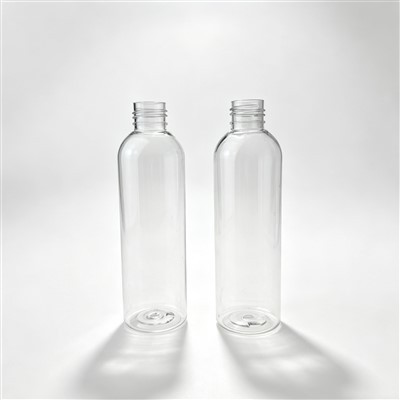
If you’re in the market for PP bottles—whether for food storage, skincare, travel, cleaning, or anything else—we’ve got a huge range of sizes and grades, all tested for heat resistance and food safety. We work with everyone from home bakers to national brands, so whatever your volume or needs, just hit us up to chat through your requirements and get a quote. No pushy sales stuff, just honest answers and solid bottles.
PET Plastic Bottles References
- U.S. Food and Drug Administration. (2023). Food Contact Materials: Polypropylene.
- European Food Safety Authority. (2021). Safety Assessment of Polypropylene for Food Packaging.
- American Plastics Council. (2022). Heat Resistance and Sterilization Compatibility of Polypropylene Grades.
- Journal of Food Protection. (2020). Sterilization Efficacy and Material Stability of Polypropylene Bottles for Small-Scale Food Production.
Taizhou Fuyan Trading Co., Ltd.
As one of the most professional pp bottle manufacturers and suppliers in China, we’re featured by quality products and good service. Please rest assured to wholesale bulk pp bottle in stock here from our factory. Customized orders are welcome.
Address: Lupu Small and Micro Industrial Park, Lupu, Yuhuan City, Zhejiang Province
E-mail: taizhoufuyan@outlook.com
WebSite: https://www.fuyantrading.com/
