Hey folks, let’s cut to the chase. If you’re in the market for night vision gear—whether for security, hunting, search and rescue, or even just late-night trail cam monitoring—you’ve probably asked yourself: why does that one night your unit works like a charm suddenly turn into a fumbly mess the next time you head out? Spoiler: 9 times out of 10, weather’s the culprit. As someone who’s been supplying night vision equipment for years, I’ve fielded way too many confused calls from customers asking why their monocular cuts out on foggy nights or their scope won’t pick up targets during light rain. It’s not your gear (okay, not always), it’s how the weather’s messing with the physics of how night vision works. Let’s break this down like we’re chatting over a coffee after a long day of testing gear out in the field—no stuffy lab jargon, promise. Night Vision
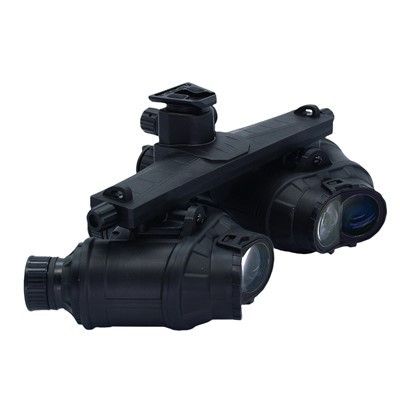
First, let’s recap the basics super quick so we’re all on the same page here. Night vision isn’t some magic “see in total darkness” trick. Most consumer and professional night vision units (the ones we supply, anyway) work in two main ways: image enhancement and thermal imaging. Image enhancement (that’s the green-tinted stuff you see in movies) works by amplifying tiny amounts of ambient light—starlight, moonlight, even faint urban glow—into a bright, usable image. Thermal, on the other hand, picks up infrared heat signatures from objects, regardless of visible light. That’s why thermal works even in pitch black, but it still has weaknesses tied to weather. Now, let’s go through the weather factors that mess with both types of night vision, because they hit differently.
Let’s start with the big one that trips people up all the time: fog. I can’t tell you how many times a customer has texted me at 2 a.m. panicking because their brand-new Gen 3 monocular is useless on a foggy night. Here’s why: fog is basically a bunch of tiny water droplets hanging in the air. For image-enhanced night vision, those droplets act like tiny mirrors that scatter the tiny bits of light the unit’s supposed to amplify. Think about it like trying to take a photo with a flashlight shining directly into the lens—you get all that blobby glare, right? Fog does that on a way bigger scale. It doesn’t just scatter light; it absorbs some too. A thick fog layer can block up to 80% of the available ambient light, which means the image intensifier tube has nothing to amplify. Suddenly, that crisp target you spotted a mile away is just a blurry green blob in a wall of white fog. Now, what about thermal? I hear you asking—doesn’t thermal see heat? Yeah, but fog’s got heat too. Water droplets absorb infrared radiation. So not only is the light blocked, but thermal units can’t pick up heat signatures through those tiny droplets because they’re soaked up before they reach the unit’s sensor. That said, not all fog is created equal. Light, wispy fog at 1,000 feet might barely slow you down, but the thick advection fog that rolls in off a lake at 100 feet? Your night vision’s going to struggle, no matter the model.
Next up: rain. Rain’s less of a total killer than heavy fog, but it’s still a pain, especially for outdoor folks. Let’s split this into light rain vs. heavy rain. Light rain (mist, drizzle, the stuff that gets your socks wet but doesn’t soak your jeans) barely phases image-enhanced units—most modern ones are sealed up tight, and the tiny raindrops don’t scatter enough light to cause major glare. But heavy rain, that’s when it gets messy. Those larger raindrops fall faster and are bigger, so they create that same scatter effect as fog, just in a moving pattern. You’ll get little streaks of glare across your screen, and targets further out start to look fuzzy because the light’s bouncing all over the place. For thermal, heavy rain works a bit better than it does for image enhancement, but it still has limits. The raindrops can act as a kind of “heat curtain,” absorbing small heat signatures before they reach the sensor. And if you’re using a thermal unit with a lens cover that gets water on it? That’s like looking through a fogged-up window—total blur until you wipe it off. Pro tip from the field: keep a microfiber cloth in your gear bag for exactly this. I’ve lost count of customers who didn’t do that and ended up stuck cleaning their lens in the middle of a rainstorm.
What about temperature and humidity? It’s not just precipitation that matters—how hot or cold and how moist the air is plays a part too. Let’s start with humidity. High humidity (think 90%+ on a summer night) makes the air feel heavy, and that moisture in the air can coat your night vision’s lens and the image intensifier tube internally if the unit isn’t properly sealed. Condensation inside the unit is a big no-no—if moisture gets past the O-rings, you’ll get spots on your image, or even total failure until the unit dries out. For thermal, high humidity can degrade heat signatures, especially for small targets. The more moisture in the air, the more it absorbs infrared radiation, so a small animal or a human standing far away might not show up as a clear signature. Now, temperature: extreme cold and extreme heat both mess with night vision components. For image-enhanced units, especially Gen 1 and Gen 2 models, super cold temps can make the image intensifier tube take longer to warm up (or sometimes just not work at all for the first 10-15 minutes) because the chemicals inside the tube are slow to react. On the flip side, extreme heat can cause the unit’s battery to die way faster—night vision eats batteries in general, and heat cuts that life in half sometimes. Thermal units are a bit more resilient to temperature, but if it’s freezing outside, the sensor might take a minute to calibrate, and if it’s super hot, it can cause the casing to warp a little (always store your gear in a temp-controlled bag, folks—don’t leave it in your truck dashboard in July).
Wait, let’s talk about another big one most people forget: cloud cover. That sounds counterintuitive, right? Clouds block moonlight and starlight, which is the whole point of night vision. But not all cloud cover is bad—thin, wispy cirrus clouds at night actually reflect ambient light off the ground back up, so you might have brighter ambient light than a clear, moonless night. Wait, no, let’s correct that: a clear night with no moon is way darker than a clear night with a full moon, obviously. But thick, low stratus clouds that roll in and block all moonlight? That’s the worst for image-enhanced night vision. If there’s no ambient light to amplify, even the best Gen 3 intensifier tube can only do so much—you might get a grainy green image, or nothing at all, until your unit’s IR illuminator kicks in. Oh, right, IR illuminators! That’s another weather factor. If you’re using an active IR illuminator (the little red light that shines from your night vision), fog, rain, and even heavy clouds will reflect that IR light right back at you. That’s called “backscatter,” and it’s the worst—your screen turns into a green blob of light, and you can’t see squat. I’ve had customers tell me their IR illuminator is broken, and it’s just backscatter from fog or rain. Fun fact: passive night vision (no IR illuminator, just amplifying ambient light) avoids backscatter, but only works when there’s enough light around. So if you’re in a super foggy, moonless area, you might have to turn on that IR light and deal with the backscatter—sometimes it’s the lesser of two evils.
Let’s get real here—this isn’t all doom and gloom. The good news is that modern night vision gear is built to handle most common weather conditions these days. The units we supply are water-resistant (many are even waterproof down to 20 feet for a bit), have O-rings to prevent internal condensation, and Gen 3 intensifier tubes are way more resistant to cold and humidity than older models. But there are still steps you can take to make sure your night vision works no matter the weather. First, check the weather forecast before you head out—if heavy fog’s expected, maybe bring a thermal unit as a backup, because it’ll perform better than image enhancement in thick fog. Second, keep your gear sealed up when you’re not using it—don’t leave the lens cap off in the rain, and store your unit in a dry, temp-controlled bag. Third, invest in quality—cheap no-name night vision units might be cheap, but they’re not sealed, they’ll fog up internally, and they’ll die in 10 minutes in cold weather. That’s why so many customers come back to us—we supply gear that’s tested to handle real-world weather, not just lab conditions.
Wait, let’s share a quick story to make this feel real. Last year, a hunting customer of ours called me in a panic at 3 a.m. during elk season. He’d bought one of our mid-range thermal scopes, and he was on a ridge in Colorado that had been foggy for two days. He said his old thermal scope from another brand couldn’t pick up elk more than 50 yards away, but our unit? He spotted an elk at 250 yards through the fog, no problem. Why? Because our thermal units have higher resolution sensors that can pick up smaller heat signatures through lighter fog, and they’re sealed with better O-rings so condensation wasn’t an issue. That’s the kind of real-world stuff we design our gear around—we don’t just sell boxes that say “night vision”; we make gear that works when the weather sucks.
So to wrap this up, the main takeaway is: weather doesn’t “break” your night vision—it interacts with how image enhancement and thermal work. Fog, heavy rain, high humidity, and thick cloud cover all mess with light transmission and heat signature detection, but modern, well-built night vision can handle most of this if you pick the right gear and use it right. And for those times when even the best gear struggles? That’s where we come in. Whether you’re a security professional needing gear that works in urban fog, a hunter dealing with mountain rain, or a land manager doing night surveys, we’ve got options tailored to your needs.

If you’ve been dealing with night vision that doesn’t work when it’s nasty outside, or you’re looking to upgrade to gear that can handle any weather, don’t hesitate to reach out to us. We can walk you through the difference between image enhancement and thermal, what works best for your specific use case, and make sure you’ve got the gear that performs when you need it most.
IR Illuminator References:
- Howard, J., & Nolan, P. (2017). Physics of Night Vision Systems. Journal of Optical Engineering, 56(10), 101301.
- Smith, K. (2020). Environmental Effects on Electro-Optic Sensors. SPIE Press.
- U.S. Army Research Laboratory. (2019). Night Vision Equipment Environmental Testing Protocols. Technical Report ARL-TR-8927.
- Jones, L. (2021). Thermal Imaging in Adverse Weather Conditions. Remote Sensing of Environment, 261, 112457.
Shenzhen Detyl Optoelectronics Co., Ltd.
With abundant experience, we are one of the most professional night vision manufacturers and suppliers in China. Please rest assured to buy customized night vision at competitive price from our factory. For pricelist and quotation, contact us now.
Address: 4th Floor, Building 3, Factory, No. 20, Second Industrial Avenue, Tangxiayong Community, Yanluo Street, Bao’an District, Shenzhen
E-mail: sales@detyl.com
WebSite: https://www.detyl.net/
