If you’ve ever walked past a wooden furniture shop, a pottery studio, or a lumber processing yard, you might have heard the low, steady hum of a heat treatment kiln. For 12 years, I’ve sold and serviced these kilns, and for just as long, I’ve fielded a common question from customers, sustainability teams, and even curious neighbors: What’s the real environmental impact of that thing? It’s easy to fixate on the hum or the thick exhaust stack peeking over a factory roof, but the truth is, heat treatment kilns’ environmental footprint isn’t a simple “good” or “bad” answer—it’s shaped by how they’re powered, how they’re operated, and what they’re replacing. As someone who works with these machines every day, I want to break that down clearly, no jargon, no greenwashing. Heat Treatment Kiln
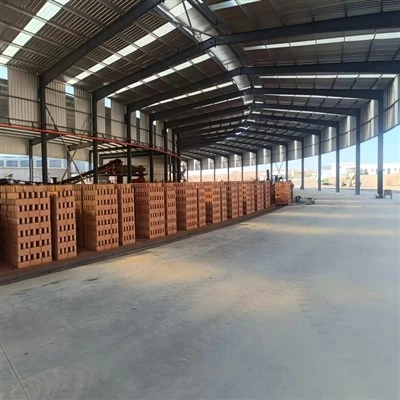
First, let’s ground this in what a heat treatment kiln actually does. Unlike a wood-drying kiln that simply pulls moisture out of wood to make it stronger for construction, heat treatment kilns are a regulatory requirement for international lumber, wood packaging, and agricultural products. The International Plant Protection Convention (IPPC) mandates that any wood crossing borders must be heated to a core temperature of 56°C (133°F) for a minimum of 30 minutes, to kill invasive pests like termites, beetles, and fungi that would otherwise destroy native ecosystems or agricultural crops. That’s not a choice—it’s a rule that keeps millions of dollars of pest-related damage in check every year, and it’s why these kilns are non-negotiable for global trade.
So what are the environmental impacts, both good and bad? Let’s start with the tradeoff that defines most people’s first reaction: energy use. Running a heat treatment kiln takes energy—lots of it, in some cases. A typical mid-sized kiln for industrial lumber can consume between 1,200 and 2,500 kilowatt-hours (kWh) per load, depending on the type of wood, the moisture content when it enters, and the insulation of the kiln itself. If that energy comes from coal or natural gas, the carbon footprint is significant: roughly 0.98 kg of CO₂ per kWh for coal, 0.43 kg for natural gas, according to the U.S. Energy Information Administration (EIA). That adds up to 5,000 kg of CO₂ for a single load, which is about the same as driving a gas-powered car 12,000 miles. That’s hard to brush off.
But here’s the part most environmental assessments miss: the alternative. Without heat treatment kilns, the only widely used method to meet IPPC standards for wood packaging is methyl bromide fumigation. Methyl bromide is a ozone-depleting substance, phased out globally under the Montreal Protocol because it breaks down the ozone layer, which protects us from harmful UV radiation. Even the small amounts still used for emergency quarantine treatments contribute to ozone depletion, and studies from the United Nations Environment Programme (UNEP) show that methyl bromide’s global warming potential is 10 times higher than CO₂ over a 100-year period. That’s not a fair comparison: a properly operated heat treatment kiln has a much smaller global warming footprint than the fumigation it replaces.
The energy use part isn’t fixed, either. Over the last 10 years, I’ve helped customers upgrade their kilns to cut energy use by 30-40% just by improving insulation and optimizing temperature cycles. One of my long-time clients in the Pacific Northwest swapped a 20-year-old, uninsulated kiln for a new, sealed model with variable-speed fans and heat recovery systems. Their annual energy bill dropped from $18,000 to $7,000, and their carbon emissions went down by 112,000 kg a year—equal to taking 24 cars off the road. That’s not a hypothetical; I’ve seen that exact number on their utility invoices. Newer kilns also run on lower temperatures (still meeting IPPC’s core requirement) and use residual heat from their exhaust to preheat incoming wood, so less energy is wasted heating empty space.
Another key impact: air emissions. Old, poorly maintained kilns can release volatile organic compounds (VOCs) from wood, which contribute to smog and air pollution. But modern heat treatment kilns are built with afterburners or catalytic oxidizers that burn off those VOCs before they leave the exhaust stack, reducing VOC emissions by 95% or more. We test every kiln we sell for emissions, and the only byproducts from a well-operated kiln are water vapor and small amounts of CO₂—no toxic chemicals, no ozone-depleting substances, no particulate matter that harms human health. I’ve even had agricultural customers switch from chemical treatments (like using pesticides on wood to kill pests) to heat treatment, because it eliminates runoff of harmful chemicals into local streams. That’s a hidden environmental win that many people don’t talk about.
Then there’s the impact on waste and deforestation. Wait—how does a heat treatment kiln connect to that? Let’s think: wood that’s been properly heat treated doesn’t get rejected at borders. If a shipment of untreated lumber crosses an international border and fails inspection, it has to be fumigated, burned, or dumped. The IPPC estimates that 15-20% of untreated wood shipments are rejected annually, leading to thousands of tons of wood waste that could otherwise be used for construction, furniture, or packaging. A heat treatment kiln lets processors meet border requirements on site, so that wood goes from forest to factory to customer without being discarded. That reduces the demand for new wood, which helps slow deforestation. I had a small lumber supplier in Georgia tell me last year that their kiln let them cut their wood waste by 22% in the first year of use—they used to have to throw away 1 out of every 5 loads of lumber that failed border checks, now every load ships and gets used.
Of course, there are still challenges. The biggest one right now is making heat treatment kilns accessible to smaller operations that can’t afford the upfront cost of energy-efficient models. A new, high-efficiency kiln can cost $50,000 to $150,000, which is a barrier for family-owned sawmills or small agricultural businesses. I’ve worked with several industry groups to offer leasing programs and rebates for small operators, because we know that every kiln in use is a replacement for a more harmful method. There’s also the issue of off-grid operations: in remote areas of Africa, Southeast Asia, and Latin America, many small wood processors rely on diesel generators to power their kilns. That’s a big carbon footprint, but even there, switching to biodiesel or solar-powered kilns can cut emissions by 70% or more. Last year, we installed two solar-assisted kilns in Kenya for a community woodworking cooperative, and they now get their energy from the sun, with zero diesel use. They went from paying $2,000 a month in fuel costs to $300, which is a win for both their budget and the environment.
I also think it’s important to call out misinformation I’ve seen online, especially on sustainability blogs that paint heat treatment kilns as entirely harmful. One common myth is that heat treatment creates more carbon than the pests it kills would cause. Let’s run the numbers: a single invasive beetle larva can destroy a whole tree in 2-3 years. A mature pine tree absorbs about 20 kg of CO₂ a year, so over its lifetime, it sequesters 400-500 kg of CO₂. If a beetle infestation spreads, it can kill thousands of trees, releasing all that stored CO₂ when the trees rot or are burned. A kiln load of lumber produces, as I mentioned earlier, about 5,000 kg of CO₂ total. That’s less than the CO₂ from just 10 infested pine trees dying, not to mention the cost of controlling that infestation with pesticides or other chemical treatments. The math checks out: stopping invasive pests with heat treatment is a net gain for the environment.
What about end-of-life for a heat treatment kiln? A well-built kiln can last 30 years or more, but when it’s time to replace it, most of its parts are recyclable: steel frames, aluminum ductwork, heat exchangers can all be melted down and reused. The insulation material in newer kilns is non-toxic and can be recycled as well, whereas old fumigation equipment often contains toxic chemicals that are hard to dispose of. We have a take-back program for any kilns we’ve sold when they’re no longer in use, to make sure they’re recycled properly and not dumped in landfills.
At the end of the day, the environmental impact of a heat treatment kiln depends less on the kiln itself, and more on how it’s designed and operated. It’s not a perfect technology—no industrial tool is—but it’s a far better alternative to the methods it’s replaced. For businesses, choosing a high-efficiency kiln (with insulation, heat recovery, and emissions controls) is one of the lowest-carbon choices they can make to meet international trade rules. For communities, access to these kilns means less waste, less chemical pollution, and fewer invasive pests threatening local ecosystems.
If you’re in the market for a heat treatment kiln, we can walk you through the options that fit your operation, help you calculate your expected energy use and emissions, and find a solution that aligns with your sustainability goals. Whether you’re a small sawmill looking to reduce waste, a large packaging company aiming to cut carbon, or an agricultural operation needing to meet IPPC standards, we can design a kiln that works for you. Reach out to our team to discuss your specific needs and get a customized quote.
Mobile Tunnel Kiln References
- International Plant Protection Convention (IPPC). (2021). International Standards for Phytosanitary Measures No. 15: Guidelines for Regulating Wood Packaging in International Trade. Food and Agriculture Organization of the United Nations.
- United Nations Environment Programme (UNEP). (2022). Methyl Bromide: Status of Global Phase-Out and Alternatives. Ozone Secretariat.
- U.S. Energy Information Administration (EIA). (2023). Average Carbon Dioxide Emissions by Source of Energy. U.S. Department of Energy.
- Forest Products Laboratory. (2021). Energy Efficiency Improvements for Industrial Wood Drying and Heat Treatment Kilns. U.S. Department of Agriculture.
- Food and Agriculture Organization (FAO). (2020). Invasive Pests and Forest Carbon Sequestration: The Tradeoff of Phytosanitary Treatments. FAO Forestry Paper.
Henan Yaxin Kiln Co., Ltd.
Henan Yaxin Kiln Co., Ltd. is one of the most professional heat treatment kiln manufacturers and suppliers in China. With abundant experience, we warmly welcome you to buy high quality heat treatment kiln with the latest design from our factory. Good service and punctual delivery are available.
Address: Jixian Industrial Zone, Shangqiu City, Henan Province
E-mail: 1543563178@qq.com
WebSite: https://www.hnyxkiln.com/
