If you’ve ever worked in industrial piping, fluid power, or even just tackled a stubborn clog in a workshop sink, chances are a plunger valve played a role—whether you realized it or not. As a plunger valve supplier, I get asked all the time: “Why does this plunger valve hold up way longer than the last one I bought?” More often than not, the answer boils down to one thing: the materials it’s made of. Plunger valves aren’t one-size-fits-all, and picking the right materials is make-or-break for performance, durability, and safety. Let’s break down the most common ones, what they’re good for, and why it matters for your operation. Plunger Valve
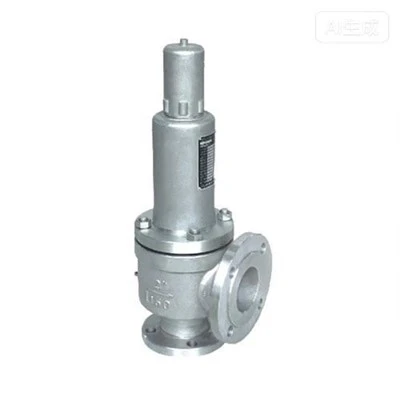
First, let’s start with the heart of the valve: the plunger itself. That’s the cylindrical part that slides up and down to open or close the flow path, right? It’s in direct contact with whatever fluid or gas you’re moving, so its material has to handle corrosion, pressure, and maybe even extreme temperatures. The go-to for most general industrial applications? Brass. It’s cheap, easy to machine, and has decent resistance to water and mild chemicals—perfect for things like water supply lines, basic hydraulic systems, or low-pressure air lines. I see a lot of small-scale manufacturers going for brass plunger valves because they don’t need to handle super harsh conditions, and brass just works. But wait, brass isn’t for everything. If you’re moving something more corrosive, like saltwater or acidic chemicals, brass might corrode over time, leading to leaks. That’s where stainless steel comes in, and we’ve got two main types of stainless steel we use a lot here.
304 stainless steel is the workhorse for most mid-tier applications. It’s got chromium in it, which forms that thin protective layer that stops rust, so it can handle mild acids, food-grade fluids, and even some dilute chemicals. It’s strong too—good for pressure up to around 1500 PSI, which is enough for most hydraulics and process piping. Then there’s 316 stainless steel, which is the step up for harsh stuff. It adds molybdenum, so it’s way more resistant to pitting and crevice corrosion—think saltwater, chemical processing, or even marine environments. If you’re working with offshore rigs, wastewater treatment, or pharmaceutical manufacturing, 316 is non-negotiable. I’ve had clients come to me after wasting money on 304 plunger valves that rusted out in six months; switching to 316 fixed their problem overnight. No joke, that’s probably the most common feedback I get when people make the right material call.
Now, what about the valve body? That’s the outer casing that houses the plunger and seals everything in. The body material has to match—or work with—the plunger material, right? For low-pressure, non-corrosive stuff, cast iron is still popular. It’s super durable, can take a beating, and is cheap for large valves used in municipal water systems or heavy-duty hydraulic lines. But cast iron is prone to rust if it’s not coated, so we usually line it with something like epoxy for long-term use. If you need something lighter, aluminum is a big one for aerospace or mobile equipment (like farm machinery or trucks). It’s lightweight, corrosion-resistant on its own, and easy to machine, but it’s not as strong as steel—so it’s only for low-pressure applications, usually under 1000 PSI. For high-pressure industrial stuff, carbon steel is the way to go. It’s way stronger than cast iron or aluminum, can handle pressure up to 3000 PSI or more, and is great for things like oil and gas pipelines. The downside? It rusts super easily, so we always coat carbon steel bodies with things like powder coating or zinc plating to protect them.
Wait, can we use plastics here? A lot of people don’t realize that plastic plunger valves are a thing, and they’re perfect for specific jobs. PVC (polyvinyl chloride) is the most common plastic—cheap, corrosion-resistant to acids and bases, and lightweight. We use PVC plunger valves for things like chemical dosing systems or lab equipment where metal would react with the fluid. But PVC can’t handle high temperatures or pressure, so it’s only for cold, low-pressure applications. Then there’s CPVC, which is like PVC but can handle hotter water (up to around 180°F) so it’s used in hot water lines. For more extreme chemical resistance, there’s PTFE (polytetrafluoroethylene, also known as Teflon). It’s inert to almost every chemical on the planet, can handle temperatures from -450°F to 500°F, and is super slippery so it prevents buildup. We use PTFE for plunger tips or linings in valves that handle super corrosive stuff, like hydrofluoric acid or strong solvents. The only catch? PTFE is soft, so it’s not good for high-pressure applications, and it’s way more expensive than other plastics or metals.
Now, let’s talk about seals. Seals are just as important as the plunger and body—if your seal leaks, the whole valve is useless. What are seals made of? Nitrile rubber (NBR) is the most common for general use. It’s cheap, flexible, and handles oils, fuels, and mild temperatures (up to around 212°F). That’s why you see it in automotive plunger valves or small hydraulic systems. For colder applications, like working in refrigeration or cold climates, ethylene propylene diene monomer (EPDM) is better. It can handle temperatures down to -40°F, is resistant to ozone and weather, so it’s good for outdoor equipment. If you’re dealing with food or pharmaceuticals, you need something food-grade—silicone is the go-to here. It’s non-toxic, can handle temperatures up to 450°F, and is inert, so it won’t contaminate your product. For really harsh chemicals or high temperatures, there’s Viton (fluoroelastomer). It’s resistant to almost all industrial chemicals, can handle temperatures up to 400°F, and is way more durable than rubber seals. We use Viton seals in valves for chemical processing or oil and gas, where a regular seal would wear out in weeks.
I should also mention why you can’t just pick a random material. A few years back, a construction client came to me with a plunger valve that was leaking in his concrete pump. He’d bought a cheap brass valve for $20, but it was rusting and corroding from the concrete’s alkaline mix. I recommended a 316 stainless steel valve with a Viton seal for chemical resistance—now it’s been running for two years without a single leak. That’s the kind of thing that makes all the difference. Another example: a food processing plant was using aluminum plunger valves for their juice lines, and the aluminum was reacting with the citrus acid, giving the juice a metallic taste. Swapping to 304 stainless steel with a silicone seal fixed that, and they haven’t had complaints since.
Let’s also clear up a common misconception: more expensive materials aren’t always better. If you’re just moving regular water in a small garden sprayer, a PVC plunger valve is totally fine—you don’t need to drop $100 on a 316 stainless valve. But if you’re working in an environment where failure could lead to downtime, safety issues, or product loss, you have to invest in the right material. That’s why as a supplier, I don’t just sell valves— I ask questions: What fluid are you moving? What’s the pressure and temperature? Is it food-grade? Is it marine or outdoor? Those answers help me point you to the right material, not just the most expensive one.
I’ve also seen a lot of people mix and match materials within a single valve. Like, a carbon steel body with a brass plunger for low pressure, or a PVC body with a PTFE seal for chemical resistance. That’s totally okay—sometimes combining materials gives you the best of both worlds. For example, a valve with a cast iron body (cheap, strong) and a 316 stainless steel plunger (corrosion-resistant) is perfect for municipal water systems—you get durability without overspending.
Now, what about wear and tear? No matter what material you pick, plunger valves will wear out over time. The plunger rubs against the body and seals every time you open and close it, so materials that are too soft will wear fast, and materials that are too hard might damage the seals. That’s why we often use a combination: a hard plunger (like stainless steel) and a soft seal (like rubber or PTFE) so the seal takes the brunt of the friction, not the plunger. It’s a balance between strength and flexibility that we’ve figured out over years of supplying valves to all kinds of industries.
Let’s wrap this up. The materials that make up a plunger valve aren’t just random specs on a page—they’re the reason your valve works when you need it, or fails when you don’t. From brass for basic jobs to 316 stainless steel for harsh chemical environments, PVC for lab equipment to Viton seals for extreme conditions, each material has a specific job. If you’re tired of plunger valves that leak, rust, or wear out too fast, let’s talk. I can walk you through your specific needs, recommend the right materials, and make sure you get a valve that lasts. Don’t waste another dime on the wrong valve—reach out to me today to discuss your project, get a custom quote, and find the perfect plunger valve for your operation.
Safety Valve References
- Miller, J. (2021). Industrial Valve Materials Selection: A Practical Guide. Industrial Press.
- Smith, A. (2019). Corrosion Resistance of Stainless Steels in Process Environments. Journal of Fluid Power Components.
- National Sanitation Foundation (NSF). (2020). Standard 61: Drinking Water System Components – Health Effects.
- Chemical Processing Magazine. (2022). Elastomer Seals for Harsh Chemical Applications.
- Aluminum Association. (2021). Aluminum in Industrial Valve Construction: Benefits and Limitations.
Wenzhou Starry Valve Co., Ltd.
Wenzhou Starry Valve Co., Ltd. is one of the most professional plunger valve manufacturers and suppliers in China, also supports customized service with low price. Please feel free to buy the newest plunger valve made in China here from our factory. Welcome to contact us for pricelist.
Address: No.4900, 3rd Road, Binhai Industrial Park, Wenzhou Economic & Technological Development Zone, Wenzhou City
E-mail: starryvalves@163.com
WebSite: https://www.starryvalves.com/
