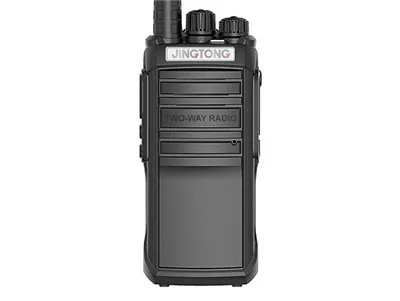
In the realm of oil and gas operations, effective communication is not just a convenience but a necessity. It can mean the difference between smooth, efficient operations and costly, potentially dangerous disruptions. As a POC (Push-to-Talk over Cellular) radio supplier, I’ve witnessed firsthand the transformative power of this technology across various industries. But the question remains: Can POC radio be used for oil and gas communication? Let’s explore this in depth. POC Radio
The Unique Communication Challenges in the Oil and Gas Industry
The oil and gas industry operates in some of the most challenging environments on Earth. From remote offshore platforms to vast onshore drilling sites, the geographical spread and harsh conditions pose significant hurdles to communication. Traditional communication methods often fall short in these scenarios.
- Remote Locations: Many oil and gas operations are situated in areas where traditional radio coverage is limited or non – existent. Offshore platforms, for example, can be miles away from the nearest terrestrial communication infrastructure. In onshore fields, they may be located in deserts, mountains, or forests where signal strength is weak.
- Harsh Environments: The industry is exposed to extreme temperatures, high humidity, dust, and corrosive substances. Communication devices need to be rugged enough to withstand these conditions without compromising functionality.
- Safety and Regulatory Requirements: Safety is of utmost importance in the oil and gas sector. Communication systems must comply with strict regulations to ensure the well – being of workers. In case of emergencies such as fires, gas leaks, or equipment failures, instant and reliable communication is crucial for coordinating responses.
- Complex Operations: Oil and gas operations involve multiple teams, including drilling crews, maintenance staff, engineers, and management. Coordinating these diverse teams requires a communication system that can support group communication, one – to – one conversations, and the sharing of critical information.
How POC Radio Addresses These Challenges
POC radio technology offers several advantages that make it a viable solution for oil and gas communication.
1. Wide Coverage
POC radio uses cellular networks to transmit voice and data. With the extensive global reach of cellular networks, POC radios can provide communication capabilities even in remote areas. In many cases, oil and gas companies can rely on existing cellular infrastructure, reducing the need for expensive custom – built communication networks. For offshore operations, some cellular service providers offer extended coverage to offshore platforms, enabling POC radio users to stay connected.
2. Ruggedness and Durability
Modern POC radios are designed to be highly durable. They are often built to meet military – grade standards for shock, vibration, dust, and water resistance. This makes them suitable for use in the harsh environments typical of the oil and gas industry. For example, a POC radio can withstand being dropped on a rough surface on a drilling rig or being exposed to dust and mud during on – site operations.
3. Safety Features
POC radio systems can be equipped with various safety features. For instance, they can support emergency alerts, allowing users to quickly notify others in case of an accident or dangerous situation. Some POC radios also have location – tracking capabilities, which can be invaluable in an emergency. If a worker goes missing on a large oil field, their location can be quickly determined using the POC radio’s GPS functionality.
4. Group Communication and Collaboration
POC radio enables instant group communication. Workers can create different groups based on their teams or operation types, such as drilling groups, maintenance groups, and safety teams. With a simple push of a button, users can broadcast messages to their group, facilitating real – time collaboration. This is especially useful during complex operations where multiple teams need to work together closely.
5. Data Transmission
In addition to voice communication, POC radios can transmit data. This can include sending and receiving text messages, images, and even sensor data. For example, engineers can receive real – time data from drilling equipment sensors via the POC radio, allowing them to monitor the equipment’s performance and make informed decisions quickly.
Case Studies: POC Radio in Oil and Gas Operations
To illustrate the effectiveness of POC radio in the oil and gas industry, let’s look at a few real – world examples.
- Offshore Platform: An offshore oil platform was facing communication challenges due to the limited range of its traditional radio system. The platform management decided to implement a POC radio solution. The POC radios provided seamless communication between the platform and the on – shore control center, as well as among the different teams on the platform. In an emergency situation, the instant group communication feature allowed the safety team to quickly alert all workers and coordinate the evacuation process, ensuring the safety of everyone on board.
- On – shore Drilling Site: At an on – shore drilling site located in a remote desert area, a POC radio system was deployed. The rugged design of the POC radios made them suitable for the harsh desert conditions. The location – tracking feature was particularly useful in this case, as it helped the management keep track of the workers’ movements in the vast desert terrain. This not only improved safety but also increased operational efficiency by ensuring that workers were in the right place at the right time.
Considerations for Implementing POC Radio in Oil and Gas
While POC radio offers many benefits for oil and gas communication, there are also some considerations that companies need to take into account.
1. Network Reliability
The performance of POC radio depends on the reliability of the cellular network. In some remote areas, the cellular network may be prone to outages or have limited bandwidth. Oil and gas companies need to work with reliable cellular service providers and may consider implementing backup communication systems in case of network failures.
2. Security
As POC radio uses cellular networks to transmit sensitive information, security is a major concern. Oil and gas companies need to ensure that their POC radio systems are protected against unauthorized access, data breaches, and cyber – attacks. This may involve implementing encryption technologies, access control measures, and regular security audits.
3. Training and Adoption
Workers need to be trained on how to use the POC radio effectively. The transition from traditional communication methods to POC radio may require some time for workers to get used to the new technology. Oil and gas companies need to provide comprehensive training programs to ensure a smooth adoption of the POC radio system.
Conclusion
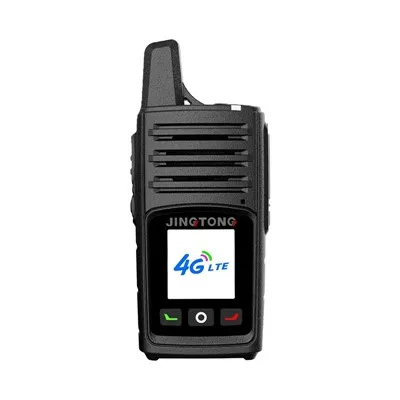
In conclusion, POC radio can indeed be used for oil and gas communication. Its wide coverage, ruggedness, safety features, group communication capabilities, and data transmission functionality make it a suitable solution for addressing the unique communication challenges in the industry. However, companies need to carefully consider network reliability, security, and training when implementing a POC radio system.
5 Watt Walkie Talkie As a POC radio supplier, I am confident that our products can meet the demanding requirements of the oil and gas industry. We offer a range of POC radios with different features and specifications to suit various operational needs. If you are an oil and gas company looking for an effective communication solution, I encourage you to reach out to us for a detailed discussion. We can provide you with customized solutions and support to ensure that your communication needs are met. Let’s work together to enhance the efficiency and safety of your oil and gas operations through reliable POC radio technology.
References
- Smith, J. (2022). "Communication Technologies in the Oil and Gas Industry." Energy Journal.
- Brown, A. (2021). "Rugged Communication Devices for Harsh Environments." Industrial Technology Review.
- Green, C. (2023). "Safety – Critical Communication in Oil and Gas Operations." Safety Science.
Jingtong (Quanzhou) Electronics Co., Ltd.
We are one of the most professional poc radio manufacturers and suppliers in China, specialized in providing high quality customized service. We warmly welcome you to buy durable poc radio made in China here from our factory. For price consultation, contact us.
Address: No.288, Si Huang Industry Zone, Xia Mei Town, Nan An, Quanzhou, Fujian province, China 362302
E-mail: jtdjj@jtdjj.com
WebSite: https://www.jteradio.com/
