Yo, what’s up everyone! I’m a supplier of TPU (Thermoplastic Polyurethane), and today I wanna chat about the power supply requirements for TPU. It’s not exactly the most exciting topic at first glance, but trust me, it’s super important, especially if you’re in the business of working with TPU. TPU
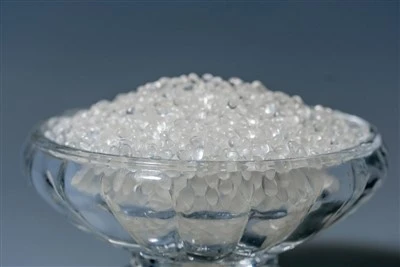
When we’re talking about TPU, it’s used in a whole bunch of different industries. From footwear and automotive to electronics and medical devices, TPU is everywhere. And each of these applications has its own set of needs when it comes to the production and processing of TPU, including the power supply.
Let’s start from the very basics. When producing TPU, we’ve got a complex chemical process going on. First off, we mix up different raw materials. These materials are combined in specific ratios, and then they go through a reaction. This reaction usually happens in a reactor, which is like a big chemical pot where all the action takes place. Now, this reactor needs power to keep things at the right temperature and pressure.
The power supply for the reactor has to be stable. Fluctuations in power can mess up the chemical reaction. If the temperature drops too low during the reaction, the TPU might not form correctly. It could end up with inconsistent properties, like not being as strong or flexible as it should be. On the other hand, if the temperature gets too high, it could cause the TPU to break down or form unwanted by – products. So, we need a power source that can maintain a steady voltage and frequency.
In most cases, we’re using electrical power to heat the reactor. The heating elements inside the reactor need a certain amount of power to reach and maintain the right temperature. This temperature can vary depending on the type of TPU we’re making. For some types of TPU, we might need to keep the reactor at around 150 – 200 degrees Celsius. And to do that, we need a power supply that can handle the load.
We also have to think about the power requirements for the equipment that mixes the raw materials. The mixers are crucial because they ensure that all the components are evenly distributed in the TPU. These mixers are powered by motors, and these motors need a reliable power source. If the power to the mixers cuts out or fluctuates, the mixing might be uneven, which again affects the quality of the TPU.
Once the TPU is produced, it often goes through further processing steps like extrusion or injection molding. Extrusion is a process where the TPU is forced through a die to create a specific shape, like a tube or a sheet. Injection molding, on the other hand, is used to make more complex shapes by injecting the TPU into a mold.
Both extrusion and injection molding machines need a lot of power. The extrusion machine has heating zones to keep the TPU in a molten state as it’s being pushed through the die. These heating zones need a continuous supply of power. If the power fails during extrusion, the TPU can solidify in the machine, causing blockages and potentially damaging the equipment.
Injection molding machines are even more power – hungry. They have motors to move the parts of the machine, like the clamping unit that holds the mold together and the injection unit that pushes the TPU into the mold. These motors need a significant amount of power to operate efficiently. And not only that, but the heating elements in the injection unit also need power to keep the TPU at the right temperature for injection.
Now, let’s talk about the types of power supplies we can use. In most industrial settings, we rely on the grid power. This is the standard electrical supply that comes from the power company. The advantage of grid power is that it’s generally reliable and widely available. However, it’s not without its problems.
Sometimes, there can be power outages, especially in areas with an older power infrastructure. These outages can be a real headache for TPU production. That’s why many TPU production facilities also have backup power systems. Generators are a common choice. They can be powered by diesel, natural gas, or propane.
Diesel generators are popular because they’re relatively easy to maintain and can provide a large amount of power quickly. But they do have some drawbacks. They produce emissions, which can be a concern from an environmental perspective. Natural gas generators are more environmentally friendly, but they might not be as readily available in all areas.
Another option is to use renewable energy sources. Solar panels and wind turbines are becoming more and more popular in industrial settings. While they can’t completely replace grid power or generators yet, they can help reduce the overall power consumption from the grid. For example, during the day, solar panels can provide a significant portion of the power needed for the TPU production process.
When it comes to sizing the power supply, it’s all about understanding the load requirements. We need to calculate the power consumption of all the equipment in the TPU production and processing line. This includes the reactors, mixers, extrusion machines, injection molding machines, and any other auxiliary equipment.
We also have to consider the startup power requirements. Some equipment, like motors, need a higher amount of power to start up compared to when they’re running at a steady state. So, the power supply needs to be able to handle these peak loads without overloading.
As a TPU supplier, I know how crucial it is to have a proper power supply. It’s not just about keeping the machines running; it’s about ensuring the quality of the TPU we produce. Any issues with the power supply can lead to a drop in quality, which means unhappy customers.
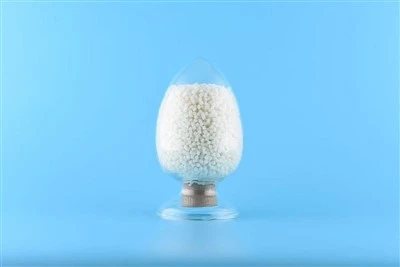
If you’re in the market for TPU and you’re worried about the power supply requirements for your application, don’t hesitate to reach out. I’ve got years of experience in the TPU industry, and I can help you figure out the best way to power your TPU – related operations. Whether you’re a small business just starting out or a large – scale manufacturer, I’m here to assist you. Get in touch with me to discuss your TPU needs and how we can work together to make sure you’ve got the best – quality TPU for your products.
TPE References:
- "Thermoplastic Polyurethane Elastomers: Processing, Properties, and Applications" – A comprehensive book on TPU that covers various aspects of its production and use.
- Industry reports on power consumption in plastic manufacturing, which provide insights into the power requirements of TPU production processes.
Kunshan Kesun Polymer Co., Ltd.
Kunshan Kesun Polymer Co., Ltd. is one of the most professional TPU manufacturers and suppliers in China, featured by quality products and low price. Please feel free to wholesale bulk eco-friendly TPU from our factory. Contact us for customized service and free sample.
Address: No.108,Jinmao Road,Zhoushi Town,KunShan ,Jiangsu,China
E-mail: melody_yang@kesuntpe.com
WebSite: https://www.kesun-tpe.net/
