Hey there! I’m an activated carbon supplier, and I often get asked about how we test the quality of activated carbon. It’s a crucial part of our business because the quality of activated carbon can make or break its performance in various applications, from water treatment to air purification. So, let’s dive into the nitty – gritty of how we ensure that the activated carbon we supply meets the highest standards. Activated Carbon
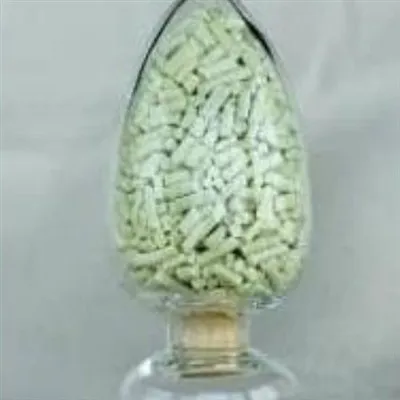
Physical Properties Testing
First off, we look at the physical properties of activated carbon. One of the most basic yet important tests is the determination of particle size. We use sieves to separate the activated carbon particles into different size ranges. Why is this important? Well, different applications require different particle sizes. For instance, in a water filtration system, smaller particles can provide a larger surface area for adsorption, but they might also cause clogging. On the other hand, larger particles are better for applications where a lower pressure drop is needed.
We also measure the bulk density of the activated carbon. Bulk density is the mass of the activated carbon per unit volume in its loose, uncompacted state. A higher bulk density can mean more carbon can be packed into a given volume, which is beneficial for applications where space is limited. To measure it, we simply fill a container with the activated carbon and weigh it.
Another key physical property is the hardness of the activated carbon. We test this by subjecting the carbon to mechanical stress. In a nutshell, we put the carbon through a tumbling process in a drum with some abrasive media. After a set period, we sieve the carbon to see how much of it has broken down. A high – quality activated carbon should have a high hardness value, which means it can withstand the wear and tear during handling and use without crumbling.
Adsorption Capacity Testing
The adsorption capacity is what makes activated carbon so valuable. It’s all about how much of a particular substance the carbon can adsorb. To test this, we use different methods depending on the target substance.
For example, when testing the adsorption capacity for iodine, we mix a known amount of activated carbon with an iodine solution. The iodine molecules are attracted to the porous surface of the activated carbon. After a period of agitation and settling, we measure the remaining iodine concentration in the solution. The difference between the initial and final iodine concentrations gives us an idea of how much iodine the activated carbon has adsorbed. A high iodine number indicates a large surface area and high microporosity, which are signs of good – quality activated carbon.
We also test the adsorption of methylene blue. Similar to the iodine test, we add methylene blue solution to the activated carbon. Methylene blue is a larger molecule than iodine, so it can give us information about the mesoporosity of the carbon. Mesopores are larger pores that can adsorb larger molecules. By measuring the amount of methylene blue adsorbed, we can assess the carbon’s ability to adsorb a wider range of substances.
Ash Content Testing
The ash content in activated carbon is another critical factor. Ash is the inorganic residue left behind after the carbon is burned at a high temperature. High ash content can reduce the adsorption capacity of the activated carbon and may also introduce impurities into the system where it’s being used.
To test the ash content, we weigh a sample of activated carbon, then heat it in a furnace at a temperature high enough to burn off all the carbon. After cooling, we weigh the remaining ash. The ratio of the ash weight to the original carbon sample weight gives us the ash content percentage. We aim for a low ash content to ensure the highest quality of our activated carbon.
Moisture Content Testing
Moisture can also affect the performance of activated carbon. Excess moisture can reduce the available surface area for adsorption and may cause the carbon to clump together. To measure the moisture content, we take a sample of activated carbon and dry it in an oven at a specific temperature for a set period. The difference in weight before and after drying represents the moisture content. We try to keep the moisture content as low as possible to maintain the effectiveness of the carbon.
pH and Acid – Soluble Content Testing
The pH of activated carbon can influence its performance, especially in applications where the chemical environment is important. We measure the pH by suspending the activated carbon in water and then using a pH meter. Different applications may require different pH values.
We also test the acid – soluble content. This involves treating the activated carbon with an acid solution and then measuring the amount of substances that dissolve in the acid. A high acid – soluble content can indicate the presence of impurities in the carbon, which is not desirable for high – performance applications.
Testing Standards and Certifications
We follow a variety of industry – recognized testing standards to ensure the accuracy and reliability of our tests. Some common standards include those set by the American Society for Testing and Materials (ASTM) and the International Organization for Standardization (ISO). By adhering to these standards, we can provide our customers with consistent and high – quality activated carbon.
In addition to our in – house testing, we also work with independent third – party laboratories. These labs can perform more specialized tests and provide certifications that validate the quality of our activated carbon. Certifications can give our customers an extra level of confidence in the products they are buying.
Why Quality Testing Matters
As an activated carbon supplier, I understand that quality is king. High – quality activated carbon ensures optimal performance in all its applications. In water treatment, it can effectively remove contaminants like heavy metals, pesticides, and organic compounds, providing clean and safe water. In air purification, it can trap pollutants and odors, improving indoor air quality.
When our customers use our high – quality activated carbon, they can expect longer service life, better efficiency, and fewer maintenance issues. This not only saves them money in the long run but also helps them meet regulatory requirements.
Let’s Talk Business
Hydroxamic Acid Collectors If you’re in the market for high – quality activated carbon, I’d love to have a chat with you. Whether you need it for water treatment, air purification, or any other application, I can provide you with activated carbon that has been rigorously tested for quality. We offer a range of products to suit different needs and budgets. So, reach out to me and let’s start a conversation about how we can work together to meet your activated carbon requirements.
References
- ASTM International standards on activated carbon testing
- ISO standards related to activated carbon quality assessment
- Technical literature from leading activated carbon research institutions
Bitop Bihope Qingdao Mining Co., Ltd
Bitop Bihope Qingdao Mining Co., Ltd. is one of the most professional activated carbon manufacturers and suppliers in China, featured by quality products and low price. Please rest assured to buy discount activated carbon in stock here and get quotation from our factory. Customized orders are welcome.
Address: Room 410, 4th Floor, Shengquan Business Building, No. 263 Yitong Road, Huangdao District, Qingdao City, Shandong Province, China
E-mail: btbhmining@163.com
WebSite: https://www.btbhmining.com/
