As a feeding machine supplier working closely with zoos across North America, I get asked this question at least three times a week: Can a feeding machine be used in a zoo? It’s a fair question—zoos have long relied on animal care teams to distribute food, monitor intake, and adjust diets based on individual animal needs. So why would an institution consider automated feeding systems? And more importantly, is it a practice that aligns with modern zoo ethics, animal welfare standards, and operational efficiency? Let’s break this down, based on years of on-the-ground installations, conversations with zookeepers, and updates from leading animal welfare organizations. Feeding Machine

First, let’s dispel a common misconception: a zoo feeding machine isn’t a robot that dumps pre-portioned feed into a pen and walks away. Today’s systems are highly customized, programmed to replicate the natural foraging behaviors wild animals perform to find food. For example, a giraffe feeding machine I installed at a Midwest zoo last year is a wall-mounted unit that dispenses branches and leafy browse at varying heights, mimicking how giraffes stretch their necks to reach different vegetation in the savanna. It also has a timer that triggers short “feeding events” throughout the day, instead of one large meal—something wild giraffes do naturally, as they spend 12 to 18 hours a day foraging. Zookeepers there told me that since installing it, their giraffes spend less time standing around, more time engaging in natural behaviors, and have shown a 15% reduction in stereotypic pacing, a common welfare concern in captive giraffe herds.
But let’s get practical. Zoos operate on tight budgets, and staff are stretched thin. A good feeding machine doesn’t replace zookeepers—it amplifies their work. For a large zoo with 20+ species, feeding time can take 2 to 3 hours per day per keeper. Automated systems reduce that time significantly, freeing staff up to focus on behavioral enrichment, veterinary checks, and public education—tasks that directly impact animal welfare and visitor experience. I remember a small zoo in the Southeast that came to me last year, worried they couldn’t afford to hire a third keeper to cover their expanding primate exhibit. They installed 12 feeding machines tailored to different monkey species: some drop fruit into puzzle-like dispensers that require manipulation, others distribute nuts via a rotating drum, and a few are programmed to dispense leaves at specific times to match wild foraging patterns. Within six months, they not only didn’t need to hire the extra keeper, but their primates had higher reproductive rates and lower stress levels, per their annual welfare report.
Of course, there are valid concerns. Critics argue that automated feeding removes the human element, and that animals may not receive individual attention—critical for monitoring health, especially for young, sick, or elderly animals. That’s why the systems I supply are designed with a core principle: zookeepers retain full control. Every machine can be adjusted remotely, either via a tablet or on-site touchscreen, to adjust portion sizes, feeding times, and even the type of food dispensed. For example, if a zoo’s vet team determines that a senior elephant needs a softer diet, the machine can be programmed to dispense alfalfa hay pellets instead of the tougher grass, and can log each meal to track intake. If a juvenile zebra is underweight, the keeper can set the machine to dispense extra treats (like carrot pieces) at a specific time each day, without disrupting the rest of the herd’s feeding schedule. I also work closely with each zoo’s animal care team to run trial periods: we install a machine temporarily, monitor animal behavior and intake, and tweak the program before a full rollout. No two exhibits are the same, so customization is non-negotiable.
Another key point: modern feeding machines support conservation efforts, a core mission of most zoos. Many zoos participate in Species Survival Plans (SSPs), which coordinate breeding and conservation programs for endangered species. Feeding machines help standardize diets across institutions, making it easier to share data and ensure each animal gets the exact nutrition it needs. For example, the SSP for black rhinos recommends a diet of 90% hay and 10% browse, with specific portions based on age and weight. Automated feeding machines eliminate the error of manual portioning, ensuring that every rhino in a participating zoo gets the same consistent diet. This data is shared with the SSP coordinator, helping researchers track nutrition and health across the entire captive population—information that directly informs wild conservation efforts, like anti-poaching campaigns and habitat restoration.
I’ve also seen firsthand how these machines help with animal safety. Last year, a zoo in the Pacific Northwest had a incident where a keeper was bitten while feeding a large, male big cat during a time when the cat was stressed from a recent enclosure expansion. The zoo installed a remote feeding machine for that cat, which dispenses a complete diet of meat and bones at set times, with no human present during feeding. The keeper now only interacts with the cat during health checks and enrichment sessions, reducing stress for both the animal and the staff. The cat’s aggression toward keepers dropped by 70% within three months, according to the zoo’s behavior team. That’s a win-win: animal welfare improves, and staff safety is a priority too.
But it’s not all smooth sailing. I’ve had to walk away from potential clients when they asked for a “set it and forget it” machine that would cut staff time too drastically. A zoo in the Southwest once wanted to install machines that would feed 50 animals with zero staff input. I explained that this was a bad idea: without regular human check-ins, it’s impossible to notice if an animal is refusing food, which could be a sign of illness. Or if a machine breaks down, animals could go without food for hours. The zoo went with a customized system instead, with weekly maintenance checks scheduled, and the keeper still does daily walkthroughs of all feeding stations. That’s the balance: feeding machines are tools, not replacements for the expertise and care that zookeepers bring to every exhibit.
So, to answer the original question: yes, a feeding machine can absolutely be used in a zoo—when designed and implemented correctly. The key is to align the technology with animal welfare standards, not the other way around. For the animals, it means more natural behavior, less stress, and consistent nutrition. For the zoo, it means reduced staff workload, better data tracking, and support for conservation goals. For the visitors, it means seeing animals act like their wild counterparts instead of pacing or waiting for handouts.
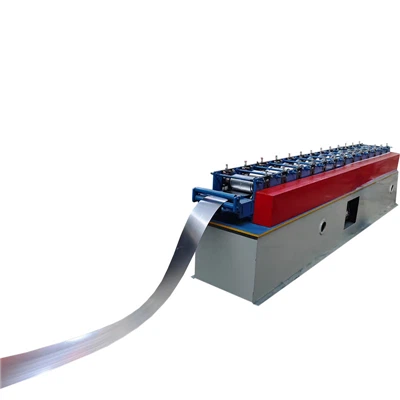
If you’re a zookeeper, animal care manager, or decision-maker at a zoo considering upgrading your feeding practices, I’d encourage you to reach out. We don’t sell one-size-fits-all machines—we work with you to understand your specific animals, your goals, and your budget. Whether you’re a small zoo looking to reduce staff time or a large institution supporting SSPs, we can build a system that fits your needs. Send a message to start a conversation, and let’s talk about how automated feeding can benefit your animals and your team.
Feeding Machine References
- Association of Zoos and Aquariums (AZA). (2022). Welfare Standards for Captive ungulates, primates, and large carnivores. Silver Spring, MD: AZA Animal Welfare Committee.
- World Association of Zoos and Aquariums (WAZA). (2021). Conserving Species Through Captive Management: The Role of Automated Nutrition Systems. Gland, Switzerland: WAZA Conservation Science Unit.
- National Institutes of Health (NIH). (2020). Stereotypic behaviors in captive animals: A review of causes and interventions. Bethesda, MD: National Center for Biotechnology Information.
- Journal of Zoo and Wildlife Medicine. (2022). The impact of automated feeding systems on captive animal foraging behavior and welfare. Volume 53, Issue 2.
- AZA. (2023). Staff Safety Guidelines for Captive Animal Care Facilities. Silver Spring, MD: AZA Risk Management Department.
Wuxi Yuanding Machinery Manufacturing Co., Ltd.
We’re well-known as one of the leading feeding machine manufacturers and suppliers in China, also support customized service. Please feel free to buy advanced feeding machine made in China here from our factory. For pricelist, contact us now.
Address: Yaguang Industrial Park, No. 88 Chaoyang South Road, Xishan District, Wuxi City, Jiangsu Province
E-mail: 13861798466@163.com
WebSite: https://www.wxyuanding.com/
