Can I use a pet’s bottle for drinking water? This is a question we get at our pet’s bottle supplier’s shop at least a dozen times a week—sometimes from parents packing a snack for a toddler and forgetting their sippy cup, sometimes from college students cramming for exams who can’t find their reusable water bottle, even once from a hiker who borrowed their dog’s collapsible bottle after theirs sprung a leak. At first glance, it makes sense: pet’s bottles are designed to hold water, right? They’re lightweight, come with a spout that’s easy to squeeze, and are often marketed as leak-proof. But as someone who’s worked with pet water containers for seven years, sourcing materials, testing durability, and answering customer questions, I’ve seen both the clever hacks and the small, easy-to-miss risks that come with turning a product meant for an animal into a human drinking vessel. Pet’s Bottle
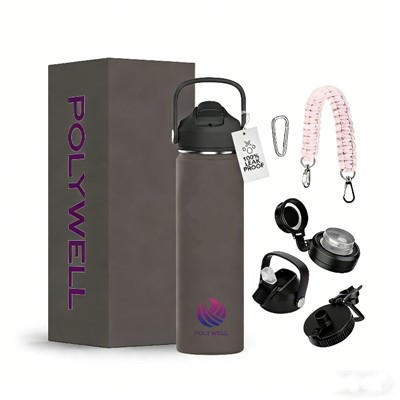
Let’s start with the stuff most people don’t think about: materials. A lot of low-cost pet’s bottles use plastic that’s not designed for repeated human use. I’m not just talking about the cheap, thin, single-use ones you grab at a dollar store for your cat’s water bowl—those have BPA, phthalates, and other additives that can leach into water when they’re exposed to heat, like being left in a hot car or near a coffee mug. Even the mid-range pet’s bottles, the ones we supply to animal shelters and pet daycares, are often made with LDPE (low-density polyethylene) or polypropylene, which are safe for animal saliva and occasional water use, but aren’t tested for long-term human consumption. Human water bottles, by contrast, have to pass strict standards from the FDA (in the U.S.) or EFSA (in the EU) that limit how much of any chemical can leach into drinking water over months or years. I once had a customer email us, panicking, after they’d used their dog’s bottle for three weeks straight and noticed a faint chemical aftertaste when they drank from it. It turned out their bottle was made with a grade 5 polypropylene that works fine for a dog’s water, but when you use it daily for cold water, the plastic breaks down a tiny bit faster than it would in an animal’s less frequent use, releasing that faint taste. For a one-time use, like filling a pet’s bottle with water for a road trip and drinking a few sips, that’s probably harmless. But making it a daily habit? That’s where the risk adds up.
Then there’s the design of the spout and the crevices. Pet’s bottles have small, narrow spouts that are perfect for a dog or cat to lap water from, but they’re terrible for human oral health and hygiene. Think about it: when you drink from a spout, you’re pressing your lips and tongue against a surface that also touches a dog’s mouth full of bacteria, sometimes even food or toys. Even if you wash your pet’s bottle every day, those tiny, hard-to-reach crevices in the spout can trap pet hair, food crumbs, and bacteria that regular hand washing can’t eliminate. I remember a vet friend telling me about a client who got a small gut infection after using their cat’s bottle for a week—turns out, the spout had tiny bits of dry cat food stuck inside, which grew bacteria when the bottle was left in a warm backpack. For humans, especially kids with weaker immune systems, that’s a real risk. Human water bottles are designed with spouts that are either wide enough to scrub with a bottle brush or made with self-sealing mechanisms that prevent bacteria buildup—something most pet’s bottles don’t have. That’s not to say all pet’s bottles are dirty, but the design isn’t tailored for human hygiene.
Wait, but what if I only use my pet’s bottle for myself, and never let my pet touch it? Is that safer? Let’s get into that. Even if you never let your dog or cat near your bottle, the material and design still don’t align with human needs. A lot of pet’s bottles are smaller than standard human water bottles, too—usually 12 to 16 ounces, compared to the 20 to 32 ounces most people prefer for all-day use. That means you’re refilling it more often, which adds to the wear and tear on the plastic. Over time, even food-grade plastic (which most mid-range pet’s bottles are, for animal use) develops tiny scratches from being dropped or scraped against other items in a bag. Those scratches trap bacteria, even if you’re the only one using it. Human water bottles are tested to resist scratching, especially the ones made for active use—they’re built to handle being dropped on concrete, scraped against keys, and still stay clean for human use.
But here’s the thing: I’m not saying pet’s bottles are useless for humans. For occasional, short-term use, they can be a great hack. If you’re hiking with your dog and your water bottle breaks, using their bottle to get a drink until you can refill at a trailhead? No problem. If you’re at a dog park and forgot your own water bottle, grabbing theirs for a minute to rinse your mouth or drink a few sips? That’s fine. The risk comes when it’s a regular, daily use. I’ve seen customers on outdoor forums swear by using their pet’s bottles for years without issue, and that’s great for them—their use might be low-exposure, low-temperature, and low-hygiene-risk. But I’ve also seen people who got sick, or ended up with a chemical aftertaste they couldn’t get rid of, because they didn’t realize the difference between a product designed for a pet and one designed for a human.
Let’s also talk about regulation. The pet product industry is less strictly regulated than the human food and beverage industry. When we source pet’s bottles, we have to meet animal safety standards, which focus on things like whether the plastic is non-toxic to a dog’s digestive system, not whether it’s safe for a human to drink from daily. That means there’s no testing for long-term human consumption of the materials, no limits on chemical leaching for daily use, and no requirements for hygiene features like wide mouth openings that are easy to clean. For human water bottles, by contrast, the FDA requires that any material that touches drinking water doesn’t transfer harmful chemicals, even over years of use. That’s a big difference that many people miss when they grab a pet’s bottle as a cheap, convenient alternative.
Now, if you do love the convenience of a pet’s bottle (and let’s be real, they’re really portable and lightweight for activities like hiking or camping), there are ways to use it safely for human use—if that’s what you want. First, only use it for short-term, one-off uses: road trips, day hikes, or emergencies where you don’t have another water bottle. Don’t make it a daily drinkware item. Second, clean it properly every time you use it. Pet’s bottles need a deep clean, way more than human water bottles. Take apart the spout (most are detachable), use a bottle brush to scrub the inside, and soak it in a mix of water and vinegar for 10 minutes to kill any bacteria that might be trapped. Third, avoid using it in hot places—never leave it in a car, near a heater, or in direct sunlight, because heat makes plastic leach more chemicals. Fourth, if you notice any scratches, discoloration, or a weird taste when you drink from it, toss it and get a new one. Even small scratches can harbor bacteria, and discoloration usually means the plastic has broken down.
As someone who’s in the pet’s bottle business, I want people to know that our products are designed for animals, not humans—but that doesn’t mean they’re bad. We make a range of pet’s bottles for different animals: small ones for cats, larger ones for dogs, collapsible ones for travel, insulated ones to keep water cold for outdoor pets. All of these are tested to be safe for a pet to drink from, play with, and carry. But we also sell human water bottles too, because we know that sometimes people mix them up. The difference is clear when you look at the labels: a pet’s bottle will say “for animal use only” or “not for human consumption” in small print on the bottom, while a human water bottle will have FDA approval marks. That small line of text is there for a reason.
I’ve had customers come to us looking for a “cheap water bottle for my kid” and initially grab our small puppy bottles, then come back a week later asking why their kid had an upset stomach. After talking them through the materials and hygiene, they switched to our human kids’ water bottles, which have wider mouths, easy-to-scrub spouts, and are tested for human use. That’s the thing—we don’t want people getting hurt because they confused a product meant for their dog with one meant for their family.
Another angle: what about reusable pet’s bottles vs. single-use plastic? Some people might think, “Since I’m already reducing waste by reusing my dog’s bottle, why not use it for me?” Reusing any plastic product is good, but it’s important to reuse the right one. Human water bottles are designed to be reusable, tested for that use, and built to last. A pet’s bottle is designed for short-term use for a pet, so it might not hold up to months or years of being washed, dropped, and refilled with tap water every day. You’ll end up replacing it more often, which actually creates more waste, anyway.
Desktop Water Bottle Let’s wrap this up. So, can you use a pet’s bottle for drinking water? The short answer is: occasionally, in a pinch, and with proper precautions—but not as a daily water source. The risks of long-term use, chemical leaching, and poor hygiene outweigh the convenience for regular use. As someone who’s worked in this industry for years, I’ve seen both the benefits of pet products and the gaps between what they’re designed for and what humans might use them for. If you’re looking for a reliable, safe water bottle for yourself or your family, we offer a full line of human-grade water bottles that combine the convenience people love about pet’s bottles—lightweight, leak-proof, portable—with all the safety and hygiene features required for human use. We’re always happy to help you find the right product for your needs, whether that’s a pet’s bottle for your furry friend or a human water bottle for yourself. If you’re interested in learning more about our products or discussing bulk orders, feel free to reach out to our sales team.
References
- U.S. Food and Drug Administration. (2022). Food Contact Substances: Plastic Materials.
- European Food Safety Authority. (2021). Safety Assessment of Plastic Materials in Contact with Drinking Water.
- American Veterinary Medical Association. (2020). Pet Water Bowl and Bottle Hygiene Guidelines.
- Journal of Environmental Health. (2019). Chemical Leaching from Reusable Plastic Water Containers.
- Pet Product Association. (2022). 2022 Industry Standards for Pet Water Bottles.
Polywell International
Polywell International is one of the most professional pet’s bottle manufacturers and suppliers in China, featured by quality products and good price. Please rest assured to buy advanced pet’s bottle made in China here and get quotation from our factory. Customized orders are welcome.
Address: Building 3, Chengzhou Industrial Zone, No.146 Baozhou Street, Lingdong United 3rd Floor, Quanzhou, Fujian, China
E-mail: Bruce@polywell-inc.com
WebSite: https://www.cndrinkware.com/
