Hey everyone, if you’ve ever wandered down the beauty aisle or checked the ingredients list of your go-to shampoo, body wash, or even laundry detergent, you’ve probably spotted the word “sulfates” somewhere on that label. As someone who’s been in the sulfates supply game for years, I get that a lot of folks (even some brand folks) mix up what a sulfate actually is—and wait, no, not all sulfates are created equal. Let’s break down the different types, what they do, and why choosing the right one matters, whether you’re formulating a personal care product or an industrial cleaner. Sulfates
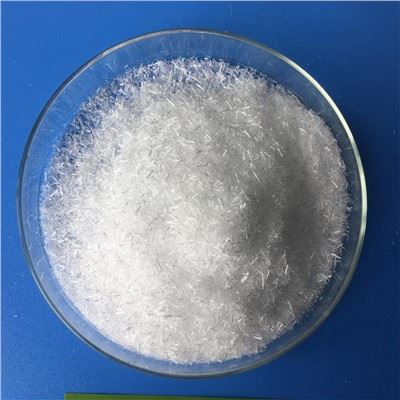
First, let’s keep this super basic: sulfates are surfactants, right? Short for “surface active agents,” they’re the stuff that makes things bubble up, get rid of dirt and grease, and rinse away clean. They work by lowering the surface tension of water, so it can lift oil and grime from surfaces without being too harsh… usually. But here’s the thing—there’s no single sulfate that fits every job. That’s where the different types come in, and that’s where we, as a supplier, come in to help folks pick exactly what they need.
Let’s start with the big one that everyone’s heard of: SLS, or Sodium Lauryl Sulfate. Yeah, that’s the acronym—most people know it by its initials, not the full name. SLS is a workhorse. It’s cheap, super effective at cutting through heavy grease, and lathers like crazy. It’s the reason your old shampoo makes you work up a good foam, or why your dish soap gets that thick, bubbly layer. But here’s the catch: SLS is pretty harsh on skin and hair, especially for people with sensitive skin or dry scalps. It can strip away natural oils, which is why you might feel tight after using a product with SLS, or why color-treated hair can fade faster with it. We supply SLS for industrial uses too—like in car washes or floor cleaners—where harshness isn’t a bad thing, and cost is a big factor.
Next up, SLES: Sodium Laureth Sulfate. You’ve definitely seen this one too, usually marketed as a “milder” alternative to SLS. The “laureth” part means it’s been ethoxylated (we don’t need to get too deep into the chemistry, but that extra step makes it less irritating). It still lathers well, cuts through dirt, and is way gentler on skin and hair than SLS. That’s why almost every mainstream shampoo, body wash, and face wash uses SLES. We supply SLES for personal care brands because it’s versatile—you can tweak the purity levels to make a baby wash (even milder) or a deeper-clean facial cleanser. The only thing to note here is that sometimes SLES has trace amounts of 1,4-dioxane, a byproduct from the manufacturing process. But we make sure our SLES meets all regulatory safety standards, so you don’t have to stress about that.
Then there’s something called Sodium Cocyl Sulfate, or sometimes Sodium Coco Sulfate (SCS). Wait, a lot of folks mix this up with SLS, but it’s totally different. SCS comes from coconut oil, right? That’s why it’s often marketed as “natural” or “plant-based” on product labels. It’s gentler than SLS, has a nice lather, and works well for people who want a sulfate that’s sourced from renewable ingredients. We get a lot of requests for SCS from small beauty brands that are pushing clean beauty lines. The downside? It’s a bit pricier than SLS or SLES, and it doesn’t work quite as well in very hard water, so you might need to pair it with a co-surfactant to make it more effective. But for brands focused on sustainability, it’s a solid pick.
Wait, let’s not forget about other sulfates that are used in niche products. There’s Ammonium Lauryl Sulfate (ALS), which is similar to SLS but uses ammonium instead of sodium. It’s harsher than SLES but still used in some hair products, like clarifying shampoos, where you need to strip away product buildup. And there’s Sodium Myristyl Sulfate, which is a smaller molecule than SLS, so it’s better at penetrating pores—great for face washes that target acne, because it can get deeper to lift oil. We also supply specialty sulfates for industrial applications, like Sodium Lauryl Sulfate for metal cleaning or sulfates used in emulsion polymerization for plastics.
Now, let’s talk about why this matters for anyone sourcing sulfates. A lot of suppliers just sell a “one-size-fits-all” sulfate, but that’s not how it works. If you’re formulating a gentle body wash, selling SLS is a bad idea—your customers will complain about dry skin. If you’re making a heavy-duty industrial degreaser, selling SCS will mean your product doesn’t work as well as it should, and you’ll lose customers. That’s why we spend time talking to our clients: we ask what they’re making, what their target audience is, what regulatory standards they need to meet, and then we suggest the right sulfate (or blend of sulfates) for the job. For example, if a client is making a shampoo for color-treated hair, we might recommend a mix of SLES and a small amount of SCS to get mildness without losing cleaning power. If they’re making a commercial floor cleaner, SLS is the way to go because it’s tough on grime and cheap to produce.
I’ve had clients come to us before because they were having issues with their current sulfate supplier. One small brand was using SLS in their baby wash and getting complaints about irritated skin—we swapped it for a blend of SCS and mild SLES, and their customer feedback shot up. Another client, a car wash company, was using a cheap sulfate that left a residue on cars, so we switched them to a higher-purity SLS that rinses cleaner, and they reduced customer complaints about spotty cars by 40%. That’s the stuff that matters—knowing your products inside out, not just selling a chemical.
Also, let’s clear up a common myth: people say all sulfates are bad, but that’s not true. The problem is using the wrong sulfate for the wrong product. A sulfate that’s too harsh for a face wash is perfect for a heavy-duty cleaner. It’s all about matching the type of sulfate to the intended use. That’s why education is a big part of what we do here—we don’t just drop ship a drum and disappear; we walk clients through what each sulfate does, how it interacts with other ingredients, and how to adjust their formulas if needed.
If you’re a brand owner, a formulator, or someone who just needs sulfates for an industrial project, don’t overcomplicate it. The key is to know what you’re looking for: do you need harsh cleaning power, or mildness? Are you after plant-based ingredients, or is cost the main factor? Do you need it to work in hard water, or is it for a controlled environment?
We’ve got you covered—no jargon, no pressure, just straight talk about what each sulfate can do for your product. If you’re tired of dealing with a supplier who doesn’t understand your needs, hit us up to chat about your requirements. We’ll share sample specs, answer all your questions, and help you pick the right sulfate for whatever you’re making.

At the end of the day, sulfates aren’t just chemicals—they’re a foundational part of so many products we use every day. Knowing the different types and their uses makes all the difference in making a product that works for you and your customers. Don’t hesitate to reach out if you want to learn more or place an order.
Potassium Carbonate References:
- U.S. Food and Drug Administration. (2022). Cosmetic Ingredient Review Assessment of Sodium Lauryl Sulfate and Sodium Laureth Sulfate.
- Personal Care Products Council. (2021). Surfactants in Personal Care Products: Safety and Function.
- European Chemical Agency. (2023). Registration, Evaluation, Authorization and Restriction of Chemicals (REACH) Data on Sodium Cocyl Sulfate.
- International Journal of Toxicology. (2020). Comparative Skin Irritation Potential of Common Anionic Surfactants Used in Cosmetics.
Jiangsu Kolod Food Ingredients Co., Ltd.
As one of the most professional sulfates manufacturers and suppliers in China, we’re featured by quality products and good price. Please rest assured to wholesale bulk sulfates made in China here and get free sample from our factory. Customized orders are welcome.
Address: South Side of Weier Road, Guanyun Development Zone, Lianyungang City, Jiangsu Province, China
E-mail: sales1399@jskolod.com
WebSite: https://www.kolod-group.com/
