If you’ve ever worked in construction, you know steel ply formwork is a game-changer – it’s strong, reusable, and cuts down on project time way more than traditional wood forms. But here’s the thing: a lot of folks (even some seasoned contractors) don’t realize that skipping proper maintenance will turn that durable steel ply into rusty, warped junk that costs them way more in the long run. I’ve been supplying steel ply formwork for over 10 years, and I’ve seen firsthand how a little upkeep adds years to the life of your forms. So let’s break this down like I would with a crew on a jobsite – no fancy jargon, just actionable stuff you can actually do. Steel Ply Formwork
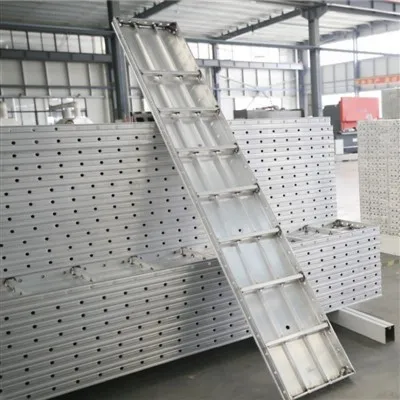
First off, let’s get one thing straight: steel ply formwork isn’t the same as wood. Wood can just get left out in the rain for a few days, dry off, and be fine. Steel? Even a tiny scratch on the coating is a gateway to rust, and once rust starts, it’s a snowball effect that’ll eat through the ply before you know it. I’ve had a customer bring in forms that were supposed to last 10+ years, but they left ‘em stacked on a muddy lot with no cover, and half the panels had to be tossed after two seasons. That’s avoidable. So the first rule of maintenance is storage.
Storage is make or break for these forms. Let’s start with where you put ‘em. If you’re storing them on a jobsite, don’t just stack ‘em on dirt or gravel – dig a tiny trench under the stack so water drains away. If you stack ’em directly on the ground, moisture seeps up from the soil, and before long, the bottom panels are sitting in a puddle. Also, don’t stack ‘em flat on top of each other without something separating them? Wait, no – actually, when you stack steel ply, you need to use wooden blocks or plastic separators between each panel to keep them from scratching each other. Metal on metal rubbing equals scuffs, and scuffs equal exposed steel, which rusts. And for the love of all things construction, cover the stack with a heavy-duty tarp – not that flimsy plastic you get from the hardware store that blows away in the first wind. The tarp needs to be tight enough that rain can’t seep under it, but loose enough that air can circulate. Trapped moisture under the tarp is even worse than rain, because it’s just sitting there, right against the steel. Last year, a customer forgot to prop their tarp up a little, and condensation built up inside the stack – we had to re-coat 20 panels just from that. Don’t be that guy.
Next up, cleaning. After every pour, you’ve gotta clean the forms before they go into storage or get reused. I know, it’s a pain – you’re wrapping up a long day, and all you want to do is get to the truck. But skipping this step will cost you later. Concrete residue isn’t just ugly – it’s acidic, and it’ll break down the protective coating on the steel over time. Plus, if you let concrete harden on the ply, when you pry it off, you’re gonna scratch the coating, like with a chisel or a crowbar. That’s a big no-no. The best time to clean is right after you strip the form – while the concrete is still soft. Use a pressure washer, set to around 1500-2000 PSI (any higher and you might damage the edges of the steel ply), and a mild, pH-neutral detergent. Avoid harsh chemicals like bleach or acid cleaners – those will eat away at the coating way faster than concrete will. For stubborn spots that won’t come off with a pressure washer, use a soft bristle brush and a little elbow grease, not a wire brush. Wire brushes leave tiny metal shavings on the surface, which cause rust spots later. And don’t forget the edges! The edges of steel ply are where the coating is thinnest from manufacturing, so they’re way more prone to rust if you let concrete build up there. I always tell crews to run their hand along the edge after cleaning – if they feel concrete, hit it again.
Now, inspections. You should be checking your steel ply every time you use ‘em, and at least once a month if they’re in storage. What are you looking for? First, scratches and chips in the protective coating. Even a 1-inch chip on the face of the panel is a problem. If you catch it early, you can touch it up with a zinc-rich primer or a paint made specifically for steel formwork. Don’t just ignore it thinking it’s no big deal – that chip will turn into a rust spot, and the rust will spread under the coating, making the panel bulge or warp. Also, check the edges for bends or dents. Steel ply is tough, but if you drop a panel from a truck or stack something heavy on it, the edges can bend. A bent edge is bad because it’ll make the form leak during the next pour, leading to uneven concrete and extra cleanup. If the bend is small, you can usually bend it back with a sledgehammer (just do it on a flat surface so you don’t make it worse). If it’s a big bend or a crack, you might need to repair it, but don’t push a damaged panel into use – it’s a safety hazard and it’ll mess up your project. Also, check the ties and fasteners. The bolts, pins, and clips that hold the form together – these are easy to forget, but rusty fasteners will make it hard to strip the form later, and if they snap during a pour, you’ve got a big mess. After every use, spray the fasteners with a little penetrating oil (like WD-40, but the heavy-duty stuff works better) and wipe off any concrete. That way, they’ll be ready to go for the next job.
Repairs are another big part of maintenance. Let’s say you do find a rust spot or a chip in the coating. What do you do? First, you need to remove all the rust – don’t just paint over it. Use a wire brush (but not the harsh kind, or a sandblaster, if you have a small spot) to get down to bare steel. If there’s any loose concrete, scrape that off too. Once the area is clean, apply a zinc-rich primer – zinc is what protects steel from rust, so regular paint won’t cut it here. Let the primer dry completely, then touch it up with a paint made for steel formwork. If the rust spot is really big (like bigger than a quarter), you might want to sand the whole panel and re-coat it, instead of just touching up the spot. Skipping the full re-coat on a big rust area will just lead to more rust under the touch-up paint. Also, if you have a panel that’s warped, don’t try to use it – most steel ply can be straightened, but it’s better to do that before you get on a jobsite, not when you’re halfway through a pour. We actually offer repair services for our clients, so if you’ve got a panel that’s beyond a quick touch-up, hit us up, we can get it fixed up faster than you can run to the hardware store for new paint.
Wait, what about when you’re using the forms on a jobsite? There are a few things you can do there to avoid damage too. First, don’t drag the panels across concrete or gravel. That’s a quick way to scratch the coating. Lift ‘em, use a panel lifter or a forklift with soft forks, not hard metal clamps that pinch the edges. Also, when you’re applying the concrete release agent – use the right kind! Some release agents are oil-based, which can break down the protective coating over time, especially if you don’t clean the forms properly after. Use a water-based release agent that’s made for steel formwork – it works just as well, and it’s way gentler on the steel. And don’t over-apply the release agent – too much will run off onto the ground, and it’ll make it hard to get a good bond if you’re reusing the forms on another project. Last thing on the jobsite: don’t use the steel ply as a work surface. It’s strong, but if you’re dragging tools, nails, or even a wheelbarrow across it, you’re gonna scratch the coating. Use a plywood sheet or a work platform instead.
I know, this all sounds like a lot of work, but here’s the math: a good steel ply formwork set costs a bit upfront, but if you maintain it right, you can reuse it 10-15 times, sometimes more. Skip the maintenance, and you’re buying new forms every 2-3 years. That’s a huge difference in cost. I’ve seen customers who follow these steps cut their formwork costs by 60% over the course of a year. It’s not just about saving money, either – well-maintained forms fit together better, leak less, and give a smoother concrete finish, which means less grinding and finishing work on the jobsite.
At the end of the day, steel ply formwork is a long-term investment, but only if you treat it like one. I’ve been supplying these forms for years, and the clients who stick around are the ones who take 10 minutes after every pour to clean ‘em, store ‘em right, and check ‘em over. They don’t cut corners, and that’s why their projects go smoothly.

If you’ve got more questions about maintaining your steel ply, or you’re looking to stock up on new forms that are built to last, feel free to reach out. We’ve got tips, tricks, and even repair services to keep your forms in top shape, no matter how big your project is. Don’t let bad maintenance turn your steel ply into garbage – keep it good, and it’ll keep your projects going.
Ringlock Scaffolding Reference
- Construction Safety Association of Ontario. (2019). Formwork Maintenance Best Practices for Steel Ply Systems.
- American Society of Concrete Contractors. (2021). Guide to Formwork Care and Longevity.
- Steel Development Institute. (2020). Protective Coating Maintenance for Structural Steel Formwork.
Rizhao Wellfit Scafform Co., Ltd.
As one of the most professional steel formwork manufacturers and suppliers in China, we have world-leading production equipment and strong manufacturing capabilities. Please feel free to buy high quality steel formwork at competitive price from our factory.
Address: No.7, Huasheng Road, Taoluo Town Industrial Zoon, Donggang District, Rizhao City
E-mail: sales@wfscafform.com
WebSite: https://www.wfscafform.com/
