Hey everyone, so if you’re rolling in a Toyota—whether it’s a Corolla you use for commutes, a Tacoma that’s your go-to for off-road trips, or a Camry that’s your family’s daily ride—you’ve probably thought at some point: should I stick with OEM brake discs or grab an aftermarket set? As a Toyota brake disc supplier who’s been in this game for nearly a decade, I hear this question nonstop from mechanics, DIYers, and fellow Toyota owners. Let’s cut through the noise, no fancy jargon, just real talk about what works for your ride. Brake Discs for Toyota
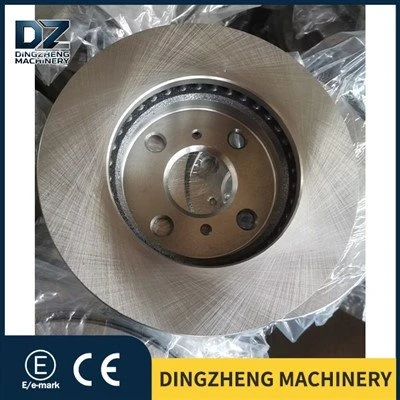
First, let’s get one thing straight: OEM isn’t just a buzzword here. OEM stands for Original Equipment Manufacturer—so that’s the exact parts Toyota fits on your car when it comes straight from the factory. When Toyota designs a new model, they test every single component, including brake discs, to match that car’s specific weight, engine power, and how most people use it. For example, a RAV4 Hybrid is way different than a 4Runner TRD Pro, right? The OEM discs for each are sized, coated, and made from a material that balances stopping power, heat resistance, and even noise reduction perfectly for that vehicle’s day-to-day use.
But wait, a lot of folks think OEM is just super expensive and made by some random company—spoiler: most OEM brake discs for Toyota are actually made by big brands like Brembo, Akebono, or DBA, just with Toyota’s stamp on them. So when you buy an OEM disc, you’re not just paying for the Toyota logo; you’re paying for parts that are tested to strict OEM specs. I’ve seen guys buy an OEM Corolla brake disc, put it on, and not have to worry about warping for 80k miles if they do regular maintenance. That’s a big win for folks who just want to drive and not fuss over brakes.
Now, aftermarket discs—this is where things get more interesting. “Aftermarket” just means parts made by third-party companies that aren’t Toyota, and there’s a huge range here. You’ve got budget aftermarket discs that cost half what OEM does, high-performance ones for track days, coated ones that resist rust, even slotted or drilled discs for better heat dissipation. The key here is not all aftermarket is equal, especially for Toyota owners.
Let’s break down when OEM makes the most sense. If your Toyota is a daily driver—say, a 2019 Camry that you use to drive to work, take the kids to school, and run errands—OEM is probably your best bet. Why? Because these cars are built for comfort and reliability, not track speed. The OEM disc is calibrated to work with your Camry’s stock brake pads, master cylinder, and even your car’s weight distribution. Slapping a cheap aftermarket disc on here might sound like a good deal, but I’ve seen those budget ones warp after 10k miles because the material is thinner or the casting is off. They might squeal more, too—nothing’s worse than stopping at a red light and hearing that high-pitched grind that makes everyone in the car cringe.
Another big OEM win: warranty. If you buy an OEM disc from a Toyota dealership (or a reputable supplier like mine), you get a warranty that’s specific to your Toyota model. If something goes wrong within the warranty period, you’re covered no questions asked, as long as it’s installed correctly. With aftermarket, budget ones often have garbage warranties—like 30 days, if that. Performance aftermarket might have longer warranties, but only if you buy from a good brand, and even then, it might not cover issues that come from regular daily use, not just track abuse.
But wait, what if you’re not a daily driver? What if you’ve got a Tacoma that you take off-roading every other weekend, or a 86 that you track on weekends? That’s where aftermarket can shine—if you pick the right ones. For off-road Tacoma drivers, slotted or vented aftermarket discs are way better than OEM. Off-roading means you’re often carrying heavy gear, descending steep trails, which makes your brakes work way harder. Vented discs disperse heat faster than solid OEM ones, so you don’t get brake fade when you need it most. I’ve had Tacoma customers tell me they went from warping OEM discs every 20k miles to aftermarket vented ones that have lasted 50k miles, even with heavy camping gear.
For track-focused Toyota owners—hello, 86, Supra, GR Corolla—high-performance aftermarket discs are a no-brainer. These are made from a harder, more heat-resistant material, often called carbon-ceramic or high-carbon cast iron, and they’re designed to handle repeated hard stops without fading. The problem here is that most OEM discs aren’t built for that kind of abuse. If you track your GR Corolla, OEM discs will overheat, warp, and stop working after a few laps. Aftermarket performance ones are worth the extra cash here because they’re built for exactly that use case.
But here’s the catch with aftermarket: not all of it is good for Toyota. A lot of cheap aftermarket disc makers just copy the shape of the OEM part, but they cut corners on material. For example, some use thinner cast iron to save money, which means they can’t handle as much heat or stress. Others have bad machining, so they’re not perfectly flat, which leads to vibration when you brake—your steering wheel shakes, and it’s super annoying. I see this all the time: a customer comes in with a shaking Corolla that they bought a $50 aftermarket disc for, and it’s warped within a month. OEM might cost $120, but it’s worth it to not have that headache.
Another thing to consider: compatibility with your Toyota’s ABS system. Modern Toyotas have super advanced anti-lock brake systems, right? The brake disc’s thickness, how it’s mounted, even the heat expansion has to be just right to work with the ABS. A lot of cheap aftermarket discs don’t meet the exact specs that Toyota’s ABS is calibrated for, which can lead to weird braking issues—like the ABS kicking in when it shouldn’t, or not kicking in when it needs to. OEM discs are made to work seamlessly with your Toyota’s entire brake system, so that’s another big plus.
Wait, let’s talk about rust, too. If you live somewhere with a lot of rain, or salt on the roads in winter, that’s a big deal. Some aftermarket discs come with a rust-preventive coating, others don’t. OEM discs usually have a factory coating that’s tested to resist rust for your Toyota’s lifespan. But some aftermarket brands have better rust coatings than OEM—like those black nitride-coated ones. So if you’re in a snowy state, that’s a case where an aftermarket coated disc might be better than uncoated OEM.
Let’s also address a common myth: “Aftermarket is always better than OEM because it’s upgraded.” No, not for daily drivers. Upgrading parts only makes sense if your use case calls for it. If you’re just commuting, upgrading your brake discs won’t make you stop faster in normal conditions—your Toyota’s stock brakes are already tuned for that. In fact, some aftermarket performance discs have a higher friction coefficient, which might make your brakes grab too hard in daily use, leading to jerky stops. That’s not safer, that’s just annoying.
Now, as a Toyota brake disc supplier, what do I recommend to customers? It depends, but here’s my general rule of thumb: if your car is a daily driver that’s not used for heavy towing, off-roading, or track days, go OEM. It’s reliable, works with your car’s systems, and you won’t have to deal with issues down the line. If you use your Toyota for heavy loads (like towing a camper with a Tundra), off-roading with a Tacoma, or track days, go for a reputable aftermarket brand that’s designed for your specific Toyota model—look for brands that list compatibility with your Corolla, Camry, etc., not just a universal fit.
Wait, another point: fitment. I’ve had customers buy an aftermarket disc that says it fits their 2022 RAV4, but when it comes, the center bore is too small, or the lug pattern is off. That’s a waste of time and money. OEM discs are made to fit exactly your Toyota model, no guessing. Good aftermarket brands will have perfect fitment too, but you have to do your research—read reviews, make sure they list the exact model and year of your Toyota, not just “RAV4.”
Also, let’s talk about cost over time. Yeah, OEM discs are more expensive upfront, but if you take care of them, they last a long time. A cheap aftermarket disc might be $50, but it warps in 10k miles, so you’re replacing it 8 times every 80k miles, which is $400 total. OEM is $120, lasts 80k miles, so that’s way cheaper in the long run. The only time the math flips is when you need the heavy-duty aftermarket ones for off-roading or track—those might be $200, but they last 50k miles, which is better than replacing OEM every 20k miles for $120 each.
So, what’s the final takeaway? It’s not a black and white answer. OEM is the safe, reliable choice for most daily-driven Toyotas, designed to work with your car’s exact setup. Aftermarket can be a great choice if you use your Toyota for heavy or high-stress activities, but only if you pick a reputable brand that’s compatible with your specific model. The worst thing you can do is buy a random cheap aftermarket disc because it’s cheaper upfront—you’ll end up paying more in the long run in repairs and hassle.
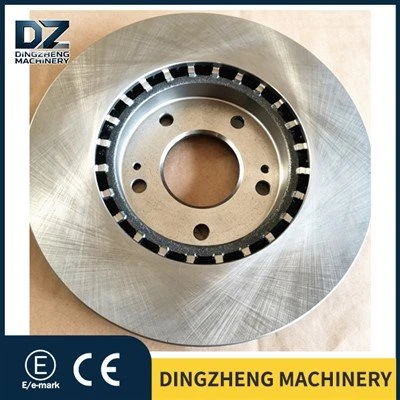
If you’re not sure which one is right for your Toyota, whether it’s a Corolla, Camry, Tacoma, 4Runner, or any other model, I’m here to help. I’ve spent years working with Toyota parts, so I can hook you up with the right disc for your use case—whether that’s OEM for daily driving or a performance aftermarket for your off-road or track rig. Feel free to reach out to chat, no pressure, just real advice from someone who knows Toyota brakes inside and out.
Brake Discs for HONDA References:
- Toyota Motor Corporation. "2023 Toyota Vehicle Brake System Design and Testing Specifications." Toyota Engineering Standards, 2023.
- Automotive Aftermarket Suppliers Association. "2022 Brake Part Compatibility and Durability Report." AASA Industry Research, 2022.
- SAE International. "Performance Standards for Cast Iron Brake Discs in Light-Duty Vehicles." SAE International Journal of Passenger Cars – Mechanical Systems, 2021.
- Off-Road Business Association. "Tacoma Brake Upgrade Best Practices for Overlanding and Heavy Use." ORBA Off-Road Maintenance Guide, 2023.
Laizhou Dingzheng Machinery Co., Ltd.
As one of the most professional brake discs for toyota manufacturers and suppliers in China, we’re featured by quality products and good price. Please rest assured to buy cheap brake discs for toyota for sale here from our factory. We also accept customized orders.
Address: Luan Jia village, Tushan town, Laizhou city, Shangdong
E-mail: AMY@cndingzheng.com
WebSite: https://www.dingzhengbrake.com/
