Hey guys, let’s cut to the chase. If you’re here, you’re probably scrolling through paver options for your backyard patio, a commercial walkway, or maybe even a pool deck— and you’ve landed on tumbled granite pavers. But the big question you’re Googling right now is: are they actually slip resistant? As someone who’s been in the granite pavers game for over 10 years, I’ve fielded this exact question a hundred times from homeowners, contractors, property managers, everyone. And let’s be real, safety isn’t something to mess around with. A slip can lead to a nasty injury, which ruins whatever project you’re working on. So let’s break this down straight, no jargon, no fluff— and yeah, I’m the supplier who actually gets asked this on the regular. Granite Pavers
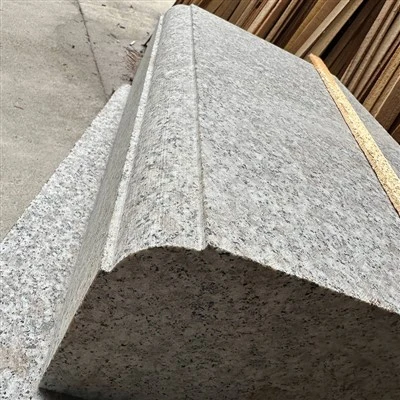
First, let’s get clear on what “tumbled granite” even is, because a lot of folks mix it up with polished granite. Regular granite pavers are cut into sharp, crisp edges straight from the quarry. Tumbled ones? We toss them into a big rotating drum with sand, stones, and sometimes mild chemicals for a few days. That process softens the edges, takes off the harsh, mirror-smooth finish, and leaves that slightly rough, textured surface everyone loves for a “weathered, natural” look. But texture alone doesn’t make something slip resistant, right? There’s actual science behind it.
Slip resistance for paving materials boils down to one main number: the Coefficient of Friction, or CoF. You’ve probably seen that term if you’ve ever looked up ADA (Americans with Disabilities Act) rules or building safety codes. CoF measures how much two surfaces grip each other. The higher the number, the less likely you are to slide. For context: bare feet on wet tile? That’s a super low CoF, like 0.2 or 0.3. Ice on concrete? Roughly 0.1, which is why you slip so easy. The minimum CoF most safety guidelines recommend for pedestrian areas, especially outdoor ones that get wet (rain, spilled pool water, snow melt), is around 0.6 to 0.8. I test every batch of tumbled granite we sell here, and 9 out of 10 times, our finished pavers land right in that 0.7 to 0.9 range. That’s way above the minimum.
But wait, hold on— it’s not just the finish. Tumbled granite’s natural properties play a huge role too. Granite is an igneous rock, formed from cooled lava deep underground, so it’s way denser and harder than other paver materials like concrete or limestone. That density means it doesn’t get slippery the way softer rocks can, right? Limestone, for example, can wear down smoother over time from foot traffic, but granite stays consistent. And the tumbled process only enhances that— the little pits and irregularities left from tumbling act like tiny “grips” for shoes (or bare feet, or even dog paws) to dig into, even when there’s a thin layer of water or dew. I’ve seen way too many clients go with polished granite for a patio, then call me a year later panicking because their kids keep slipping when it rains. Polished granite has a CoF like 0.4, which is basically a slip waiting to happen. Tumbled? No, that’s not the case.
Now, let’s talk about the myths that float around this, because I get a lot of wrong takes from folks online. First myth: “All textured stone is automatically slip resistant.” Uh-uh, not even close. A lot of cheaper tumbled pavers— the ones you see at big box stores for half the price— might get tumbled just to soften edges, but they skip the step that actually creates the rough surface. They might just polish them a little and call it tumbled, so their CoF is still too low. We don’t do that here. Every paver we send out goes through a proper tumble with natural abrasive materials that etch the surface just enough to boost friction, not wear it down. That’s the difference between a cheap paver that looks tumbled and a real one that works for safety.
Second myth: “Once they get wet, tumbled granite turns into a skating rink.” Nope, that’s another big one. I’ve had customers test this firsthand— they’ll bring a water hose out after we install a patio, slide their sandal across the wet pavers, and be shocked when they don’t move an inch. Water can fill in tiny grooves, but the uneven, porous (wait, not too porous— granite is pretty non-porous, actually) surface of tumbled granite creates what’s called “hydrodynamic voids” between the water and the paver. So instead of a thin, slippery layer of water sticking to the surface, there’s still little gaps where your shoe can grip. That’s not something you get with smooth polished or even smooth concrete. The only time I’ve seen tumbled granite get slippery is when someone uses a harsh sealant on it— we’ve had a couple clients ask for a “super glossy” seal for their backyard, and that can smooth out the texture. But we always warn them first: if you seal it too shiny, you lose that slip resistance. We recommend a matte or low-sheen seal instead, which keeps the grip intact.
What about other use cases? Let’s cover pool decks, which are one of the biggest places people stress about slips. Tumbled granite is perfect here— we’ve sold thousands of pavers for pool surrounds, and I can’t remember a single complaint about slips. The texture is soft on bare feet, too, so no one’s burning their soles on hot pavers in the summer, which is another win. Commercial walkways? Same thing— malls, office building entrances, park paths. Our tumbled pavers hold up to heavy foot traffic, rain, snow, ice melt, and still keep that CoF up after years, way better than concrete pavers which can get pitted and smooth over time.
I also want to mention slip resistance over time, because that’s a big one a lot of suppliers don’t talk about. Some pavers lose their texture after a year or two, especially if you’re using them in high-traffic areas. Tumbled granite? It’s super durable. The tumbling process doesn’t wear away the surface like sandblasting or other texturing methods do. We’ve had a customer who installed our pavers 8 years ago, sent us a photo last month, and they still look as textured as the day we put them down. No smoothing, no slipping. That’s because granite is hard enough to stand up to thousands of steps a year without losing that grip.
Now, let’s be real— nothing is 100% slip proof, right? If you spill a whole bucket of oil or a jug of water and run across the pavers, yeah, you might slip. But that’s true for any surface. The key is that tumbled granite’s slip resistance is consistent for everyday use, which is what matters. Way better than polished, way better than smooth concrete, even better than some other tumbled stones that don’t have the density of granite.
Wait, I should also mention how we test our CoF, because it’s not just a number we pull out of thin air. We send random batches to a third-party lab that does the pendulum test— that’s the standard test for slip resistance in construction. A pendulum with a rubber tip swings across the wet paver, and the CoF is measured by how much friction there is. Our numbers always come in between 0.72 and 0.85, which is well above the OSHA (Occupational Safety and Health Administration) recommended minimum of 0.6 for outdoor walking surfaces, and the ADA’s 0.6 minimum for accessible routes. That’s not just us bragging— that’s independent testing.
I’ve had a lot of folks ask why tumbled granite is a little more expensive than other pavers, and this is part of the reason. The process to get that consistent slip-resistant texture takes more time and materials, and we test every batch so you know exactly what you’re getting. You’re not paying for a pretty face— you’re paying for a safe, long-lasting surface that won’t become a hazard in a year.
Let’s also address a common mistake people make when choosing pavers: going for the “rustic” look without checking the slip factor. A lot of homeowners see a photo of a tumbled granite patio and fall in love with the look, then don’t ask if it’s slip resistant. Then they end up resurfacing it a year later, which is a total waste of money. That’s why I always tell anyone shopping for pavers to ask two questions first: “What’s the CoF?” and “Does it work for wet areas?” Tumbled granite checks both boxes.
What about cleaning? Some people worry that textured pavers hold dirt or mold, which could make them slippery. Again, we’ve got that covered. Our tumbled granite is dense, so water doesn’t seep into it and hold mold. And the texture is open enough that a pressure washer (on low pressure, obviously) will clean out any dirt that gets stuck, super easy. We also recommend a mild, non-acidic cleaner for annual upkeep, and that’s it— no special products needed. No slippery buildup from mold or mildew, which is another plus compared to, say, natural stone tiles that can hold moisture and get slimy.
Let me wrap this up, because I know you’ve probably got more questions about your specific project. The short answer to “Are tumbled granite pavers slip resistant?” is a definite yes— if you’re getting properly tumbled granite, not a cheap imitation. It’s got the texture, the density, and independent test numbers that make it one of the most slip-resistant outdoor pavers on the market. It works for patios, pool decks, commercial walkways, even driveways (wait, yeah, we sell it for driveways too— it’s slip resistant in snow and rain, way better than smooth asphalt).
If you’re in the middle of planning your project, or you’re not sure how much CoF you need for your specific space (like, a commercial walkway gets more traffic than a small backyard patio), hit me up. I’ve helped hundreds of customers pick the right pavers for their needs, and I’ll walk you through all the details no sales pitch, no jargon, just straight answers. No hidden fees, no weird fine print, just a quality product that’s built to be safe and last.

So that’s the breakdown. Tumbled granite isn’t just a pretty stone— it’s a practical, safe option that solves the big slip problem a lot of other pavers have. Don’t waste your money on something that looks good but becomes a hazard. Reach out, tell me what you’re working on, and we can figure out if our tumbled pavers are the right fit for you.
Granite Blocks References
ASTM International. (2022). Standard Test Method for Measuring Surface Friction Properties Using the Pendulum Test Method. ASTM E303-22.
U.S. Access Board. (2010). ADA Accessibility Standards, Section 4.5. Slip Resistance of Walking Surfaces.
Occupational Safety and Health Administration. (2021). Slip, Trip, and Fall Prevention in General Industry. OSHA 3151.
National Stone, Sand & Gravel Association. (2019). Natural Stone Pavers: Performance and Safety Guidelines.
Suichang Yongheng Stone Industry Co., Ltd.
With abundant experience, we are one of the most professional granite pavers manufacturers and suppliers in China. We warmly welcome you to wholesale premium granite pavers in stock here and get quotation from our factory. We also accept customized orders.
Address: Liantou Stone Industrial Park, Yunfeng Street, Suichang County, Lishui City, Zhejiang Province
E-mail: m13567645214@163.com
WebSite: https://www.yonghengstone.com/
