Yo, if you’ve ever worked with substation steel structures, you know corrosion isn’t just an eyesore—it’s a ticking time bomb. As a substation steel structure supplier, I’ve fixed my fair share of corrosion messes (and helped clients avoid them before they start) so let’s cut the crap and get into the real, actionable stuff you can use right now. No fancy jargon, no AI fluff, just what I’ve learned from years on-site, in the shop, and on the phone with guys who’ve had to shut down a substation because they ignored a rust spot. Substation Steel Structure
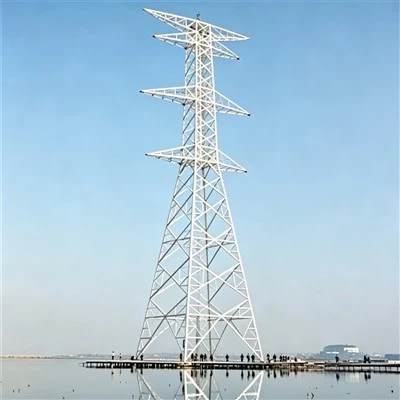
First, let’s get this straight: corrosion doesn’t happen overnight. It creeps in when you least expect it—maybe after a rainstorm sits on a steel beam for days, or when the galvanization (that zinc coating we put on our structures to fight rust) wears thin in a high-traffic spot (like where a forklift scrapes a support leg). And if you think slapping a can of rust-oleum on it is gonna fix things? Nah, that’s like putting a band-aid on a bullet wound. You gotta do it right, step by step, or you’re just wasting money.
Let’s start with when you even need to repair corrosion. Not every rust spot is a disaster. I always tell clients: if it’s just surface rust—powdery, no pitting, the steel underneath still looks smooth—you can handle that. But if you see pits, like little divots where the steel’s actually eaten away, or if the rust’s flaking off and the metal feels soft? That’s structural, and you can’t skip the deep work. Last year, a client of mine (who thought he was saving cash by skipping regular checks) had a pitted support beam that was 20% thinner than it should be. We had to replace half the structure, and he ended up paying three times what he would’ve if he’d fixed the small corrosion spot six months prior. Don’t be that guy.
Okay, so step one: prep. Prep is 90% of the battle, trust me. If you skip this, the new coating won’t stick, and the rust’ll come back faster than you can say “galvanic corrosion.” First, clear the area. Shut down any nearby equipment if you’re working in a live substation (safety first, always—no exceptions), cover any insulators or wiring with plastic, and make sure there’s no debris laying around that’ll trap moisture later.
Next, remove all the loose crap—rust, old paint, dirt, whatever. You can use a few methods here, and I’ll tell you which works best for different situations. For small, easy spots? A wire brush or angle grinder with a wire wheel works, but wear a respirator—rust dust isn’t something you wanna breathe in. For bigger areas, maybe sandblasting? But be careful with sandblasting on thin steel—it can eat through it if you’re too heavy-handed. I’ve seen guys sandblast a 1/4-inch beam down to 1/8-inch because they rushed. If sandblasting isn’t an option, chemical rust remover works too, but make sure you rinse it off super well and let it dry COMPLETELY. Any leftover chemical will mess with the new coating’s adhesion. And once you’re done prepping, the steel surface should look like bare, clean metal—no rust, no grime, nothing. If it still has powdery rust, you didn’t do the prep right. Go back.
Now, here’s a part most people miss: neutralizing the remaining rust. Even if you think you got all the surface stuff, there’s always some microscopic rust left. If you leave that, it’ll keep spreading under the new coating. So use a rust converter—product that turns the remaining iron oxide (rust) into a stable, black compound that won’t keep corroding. Pro tip from me: don’t skimp on this. I once had a client who skipped rust converter on a medium spot, and a year later, that area had rusted through again. He called me panicking, and I had to re-do the whole repair at no extra cost (lesson learned for both of us). Apply the converter evenly, let it dry according to the label—usually 30 minutes to an hour, depending on humidity.
Once the converter’s dry, inspect the area. Any pits you saw earlier? If they’re deeper than 1/8-inch, you gotta fill them with a steel epoxy or metal repair compound. Don’t use regular wood filler, don’t skip this. Those pits will trap moisture and cause corrosion from the inside out. Mix the epoxy according to the directions (don’t rush the mixing—if it’s not uniform, it’ll crack later), spread it into the pits, and smooth it so it’s level with the surrounding steel. Let it cure fully—usually 24 hours, don’t touch it.
Now, moving to the protective coating. This is where a lot of guys go wrong too. A generic paint won’t cut it for substation steel structures—you need something that can handle the environment: moisture, UV rays, whatever chemicals might be around the substation. For most cases, a two-part epoxy primer is the way to go. It sticks way better than regular paint and is way more durable. Apply two thin coats, not one thick one. Thick coats crack, thin coats dry even and provide better coverage. Let each coat cure fully—don’t just slap the next one on because it feels dry to the touch. I wait 12 hours between coats, minimum. And then the topcoat? Use a polyurethane or a silicone-modified alkyd topcoat—something that’s weather-resistant. It’ll protect the epoxy from UV damage, which is key because substation structures are outside 24/7.
Wait, but what if the corrosion is really bad—like more than 30% of the steel is pitted, or it’s on a critical support beam? Then repair might not be enough, and replacement is better. As a substation steel structure supplier, I’ve seen this a lot. Some clients think “fix it cheaper” but end up with a structure that’s unsafe in a year. For example, if a steel cross-arm has deep pits all along its length, replacing it is actually more cost-effective than patching it, because a pitted cross-arm can’t handle the tension from the power lines, leading to outages that cost way more than the part itself. Also, when you do replace a section, make sure the new steel is galvanized the same way as the original structure (or even better) to maintain consistent corrosion protection. Don’t just slap a regular steel beam in there—galvanize it first, or get it hot-dip galvanized, which is the best way for substation steel.
Another thing I wanna talk about: preventing corrosion in the first place. Because let’s be real, the best repair is no repair. As a supplier, I always tell clients about the little things they can do to avoid this mess. First, regular inspections—every 6 months, especially if your substation’s in a humid area, near saltwater (like coastal areas), or in a place with a lot of air pollution (industrial zones). Bring someone who knows what they’re looking for—don’t just have a general maintenance guy glance at it. We offer free quick inspections for our clients, by the way, just saying. Second, keep the structure clean—wipe off dirt, leaves, standing water whenever you can. Those things trap moisture, which is rust’s best friend. Third, make sure the drainage around the substation is good—water shouldn’t pool at the base of the steel structures. We design our substation steel structures with slightly sloped base plates to help with that, but if your older structure doesn’t have that, you can add a gravel base around it to keep water away.
Wait, let’s bust a common myth here: galvanization isn’t permanent. A lot of people think once you get a hot-dip galvanized steel structure, you’re good for 50 years, and you never have to worry. Nope. Galvanization wears down over time, especially in harsh environments. Coastal areas have salt air that eats through zinc faster, industrial areas have acidic pollution. So even galvanized structures need occasional touch-ups every 10-15 years, depending on where they’re located. And when you do those touch-ups, follow the same prep steps I talked about earlier—don’t just spray zinc paint on a rusty spot. That’s like putting a new coat of paint over a rotting wall.
Let me give you a real example to drive this home. Last year, a solar farm client of mine in Florida (super humid, salt air nearby) called because he had a rust spot on a support pole. He tried to fix it himself with wire brush and rust-oleum, and six months later, the whole pole was pitted. We went on-site, prepped it properly with sandblasting, applied rust converter, filled the pits, coated it with epoxy and polyurethane. That was a small job, but he said he learned his lesson—cutting corners on prep cost him more time and money. Now he does inspections every 6 months, and calls us for any touch-ups before it gets bad.
What about safety? I can’t stress this enough. Working on substation structures means you’re around live equipment sometimes, plus you’re on ladders, handling chemicals, using power tools. Always follow OSHA guidelines—wear harnesses when working at height, wear respirators for rust dust and chemicals, have a safety spotter if you’re working alone. Last thing you want is an accident because you tried to rush a repair.
Okay, so to wrap this up: repairing corrosion on substation steel structures isn’t rocket science, but it’s not a quick job either. Skip the shortcuts, do the prep right, use the right products, and know when to replace instead of patch. And if you’re not sure if you’re doing it right? Don’t guess. Reach out to a pro—like a reputable substation steel structure supplier who knows this stuff inside and out. We’ve got the experience, the products, and the on-site teams to get it done safely and correctly, so you don’t have to deal with a structural failure down the line.
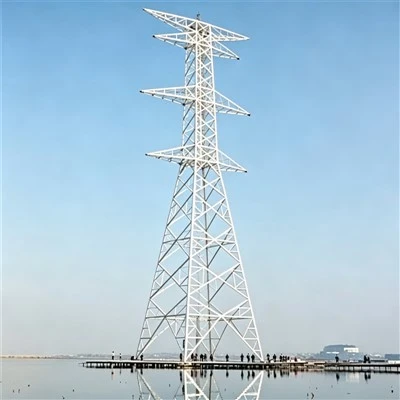
Whether you’re dealing with a tiny rust spot or a big structural issue, taking care of corrosion early saves you so much headache (and cash) later. Substation steel structures are the backbone of power distribution—don’t let corrosion weaken them. If you need help with repairs, replacement parts, or even a full new structure, hit us up to connect and chat through your needs. No pressure, just real advice from someone who’s been in this game for years.
Transmission Angle Steel Tower REFERENCES
- NACE International. Corrosion Basics: An Introduction to Corrosion and Its Prevention. NACE International, 2021.
- American Petroleum Institute. Recommended Practice for Corrosion Control of Steel Structures in Atmospheric Environments. API Publishing Services, 2019.
- International Electrotechnical Commission. IEC 61215: Terrestrial Photovoltaic (PV) Modules – Design Qualification and Type Approval. IEC, 2021.
- Steel Structures Painting Council. Surface Preparation and Coating for Steel Structures – A Practical Guide. SSPC, 2020.
Qingdao Hongyuanfeng Power Equipment Co., Ltd.
Hongyuanfeng is one of the most professional substation steel structure manufacturers and suppliers in China, also supports customized service. Please feel free to wholesale advanced substation steel structure in stock here from our factory. Good service and quality products are available.
Address: No.42 Fengwu Road, Beiguan Industrial Park, Jiaozhou City
E-mail: 13808970205@163.com
WebSite: https://www.hyfsteelpod.com/
